No — Vietnam's tap water isn't safe to drink straight. Here's how to boil or buy bottled water cheaply, plus ice, brushing teeth, and Da Nang tips.

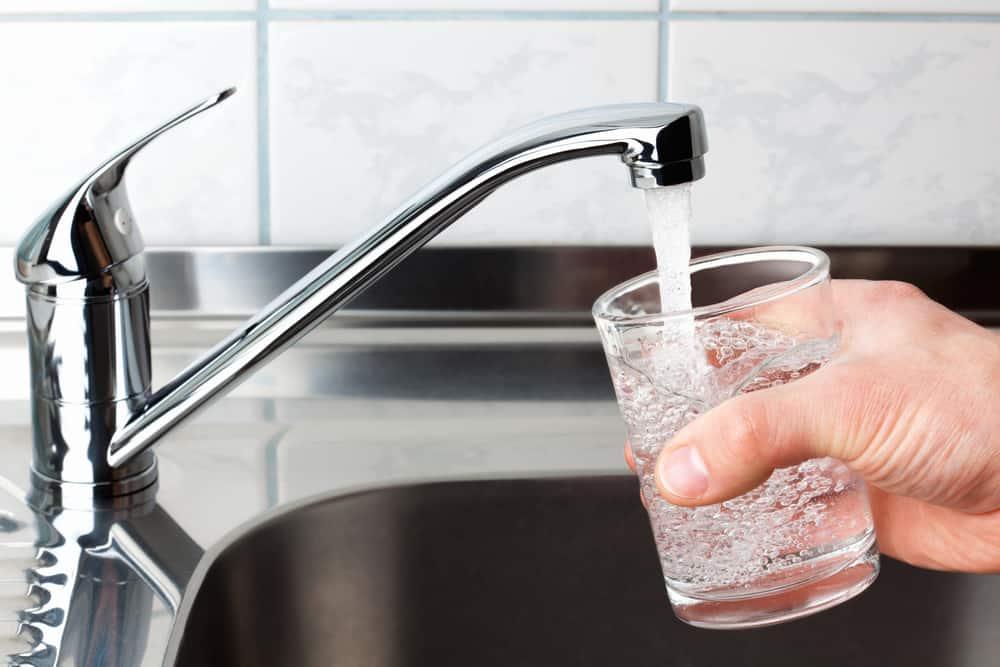
Short answer: no — don't drink tap water straight from the tap in Vietnam. Boil it first, or buy bottled water. Both are cheap, sold everywhere, and used by locals and long-stay expats every day. If you remember only one thing: when in doubt, boil it or buy it.
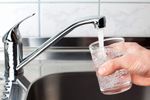
Vietnam's tap water is much cleaner than it was 20 years ago. Big cities like Da Nang treat their water at modern plants, and the water that leaves those plants is usually fine. The problem is what happens after that. Old pipes, rooftop storage tanks, and building plumbing can add bacteria or dirt before the water reaches your glass. That is why almost no one here drinks it straight.
The good news: staying safe is simple and costs very little. Here is exactly what to do.
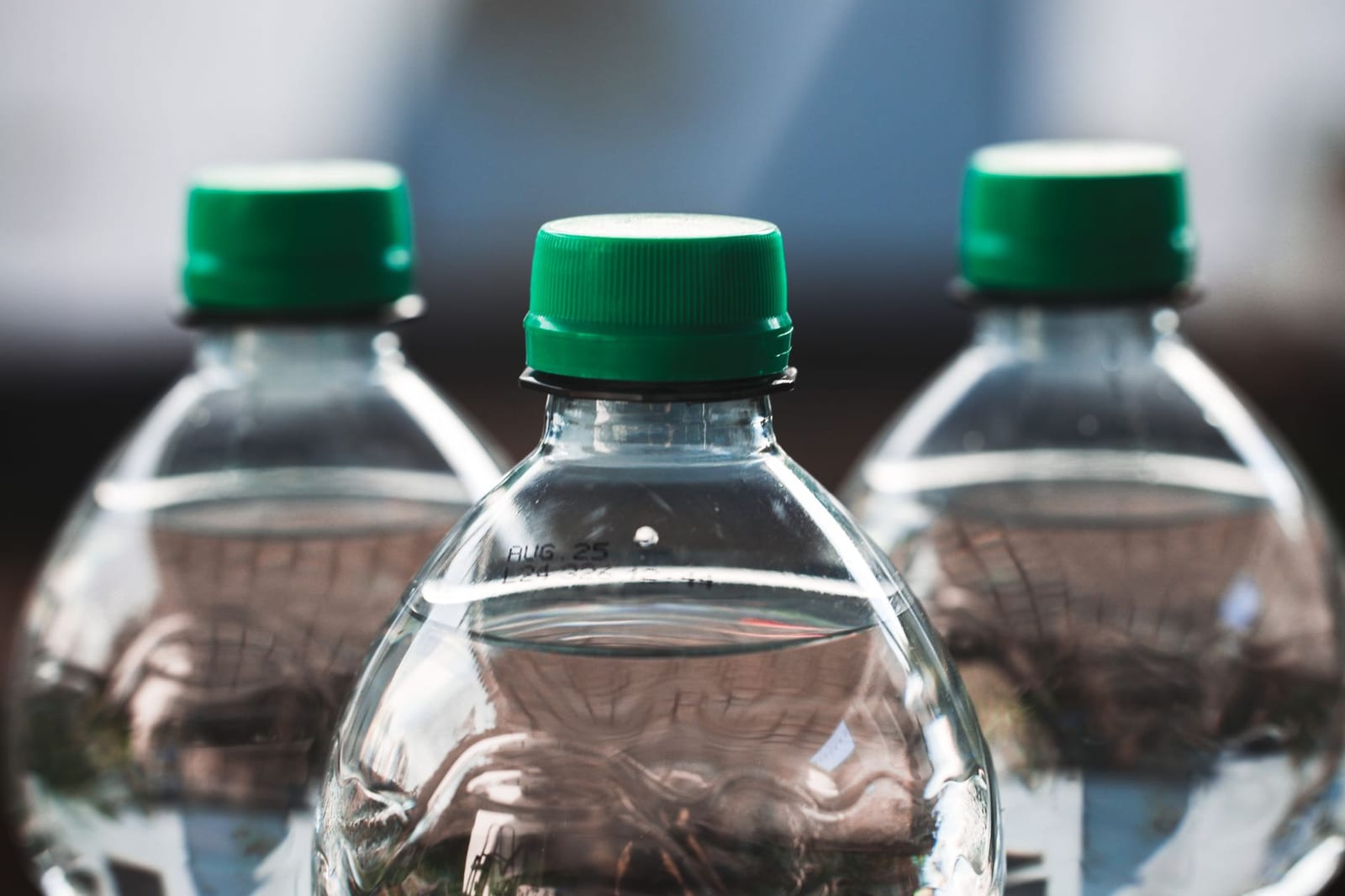 Bottles of drinking water on a shop shelf — the easy, cheap safe option in Vietnam.
Officially, water from the treatment plant meets Vietnam's drinking standards. In practice, most people — locals and visitors — do not drink it directly.
The risk is not heavy chemicals or metals; those are rare. The real risk is bacteria picked up in old pipes and storage tanks. Your stomach may also just not be used to the local water, which can cause an upset stomach even when the water is "fine."
So think of tap water as clean enough to wash with, but not to drink. Boil it or buy bottled, and you remove almost all the risk.
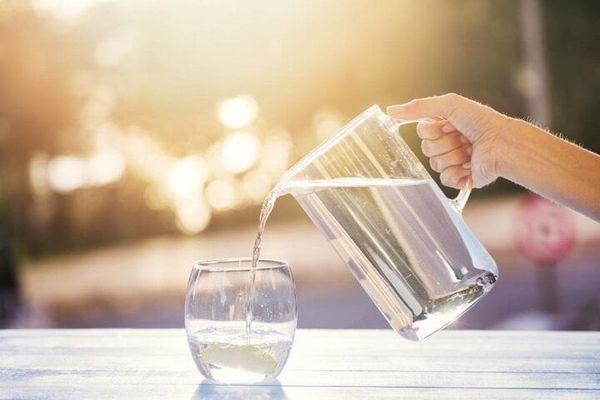
Almost every hotel room and apartment in Vietnam has an electric kettle. Boil tap water for one minute and it kills the bacteria that matter. Let it cool, and it is safe to drink. This is the cheapest option and what many locals do at home. If you have a kettle, you may not need to buy bottled water at all. For exactly what boiling does and doesn't remove, how long to boil, and the local đun sôi để nguội habit, see our dedicated guide: Can You Drink Boiled Water in Vietnam?.
Bottled water is sold everywhere — convenience stores, supermarkets, street shops, and your hotel minibar. A 500ml bottle is pocket change, and a 1.5L bottle is still very cheap. Always check that the cap seal is unbroken before you buy.
If you are staying a few weeks or more, a 20-litre bottle with a dispenser is the cheapest way to drink bottled water. Most apartments have a stand for one, and shops will deliver to your door.
One warning: stick to trusted brands like Lavie or Satori. Some sellers refill big bottles with tap water and pass them off as branded. Buy from a shop or delivery service your host or building recommends.
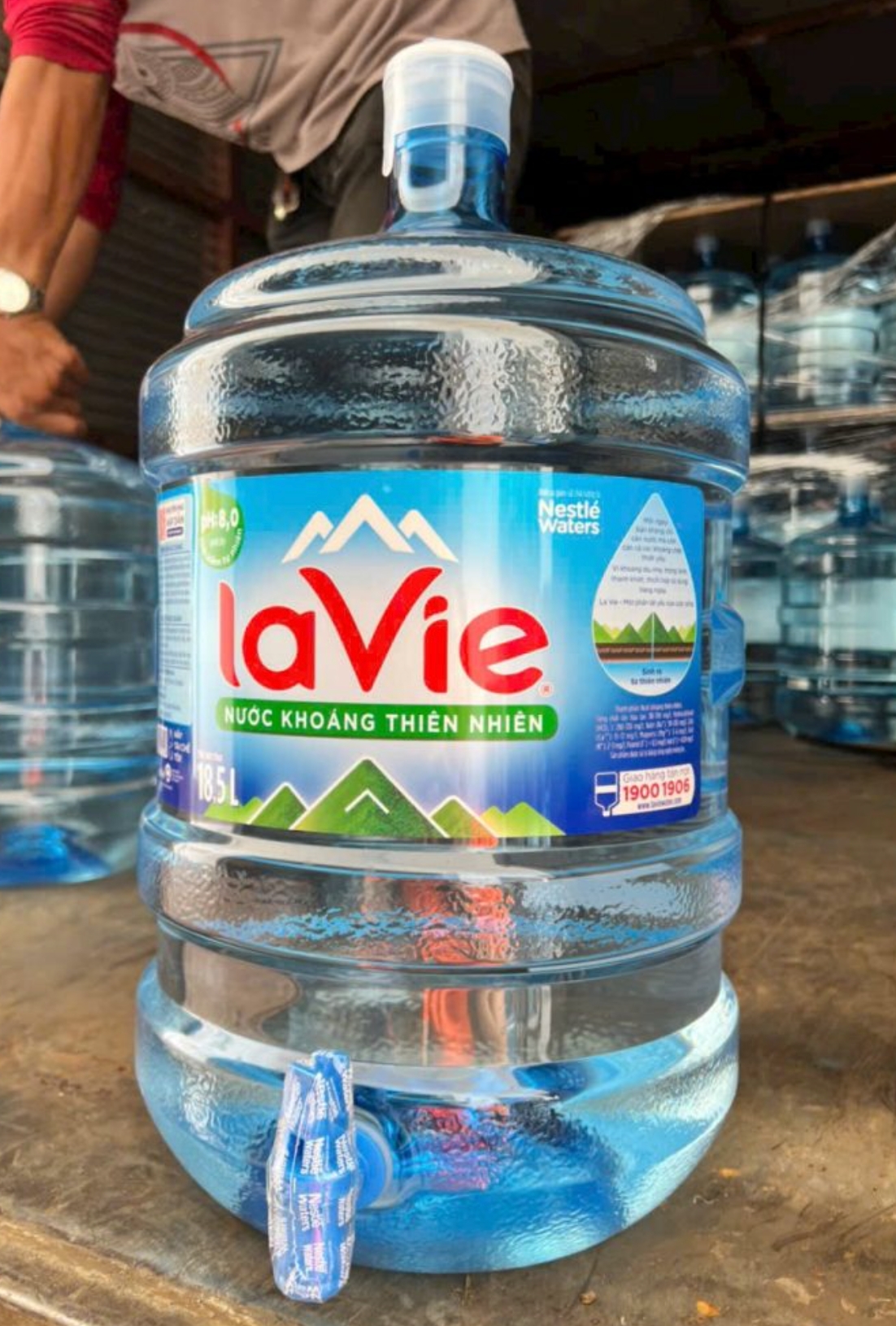 A 20-litre Lavie bottled water dispenser, a common sight in Vietnamese homes.
Rough prices you can expect in a normal shop or supermarket. Hotels, bars, and tourist spots charge more. Prices observed June 2026 and they change often.
| Brand / type | Size | Typical price (VND) | ~USD |
|---|---|---|---|
| Aquafina / Dasani | 500 ml | 5,000–7,000đ | ~$0.25 |
| Lavie / Aquafina | 1.5 L | 10,000–15,000đ | ~$0.55 |
| Satori / Vĩnh Hảo | 1.5 L | 10,000–14,000đ | ~$0.50 |
| Lavie | 20 L (refill) | 55,000–75,000đ | ~$2.60 |
| Hotel / minibar | 500 ml | 20,000–40,000đ | ~$1.20 |
A 20-litre bottle also has a one-time deposit for the empty bottle, which you get back when you return it.
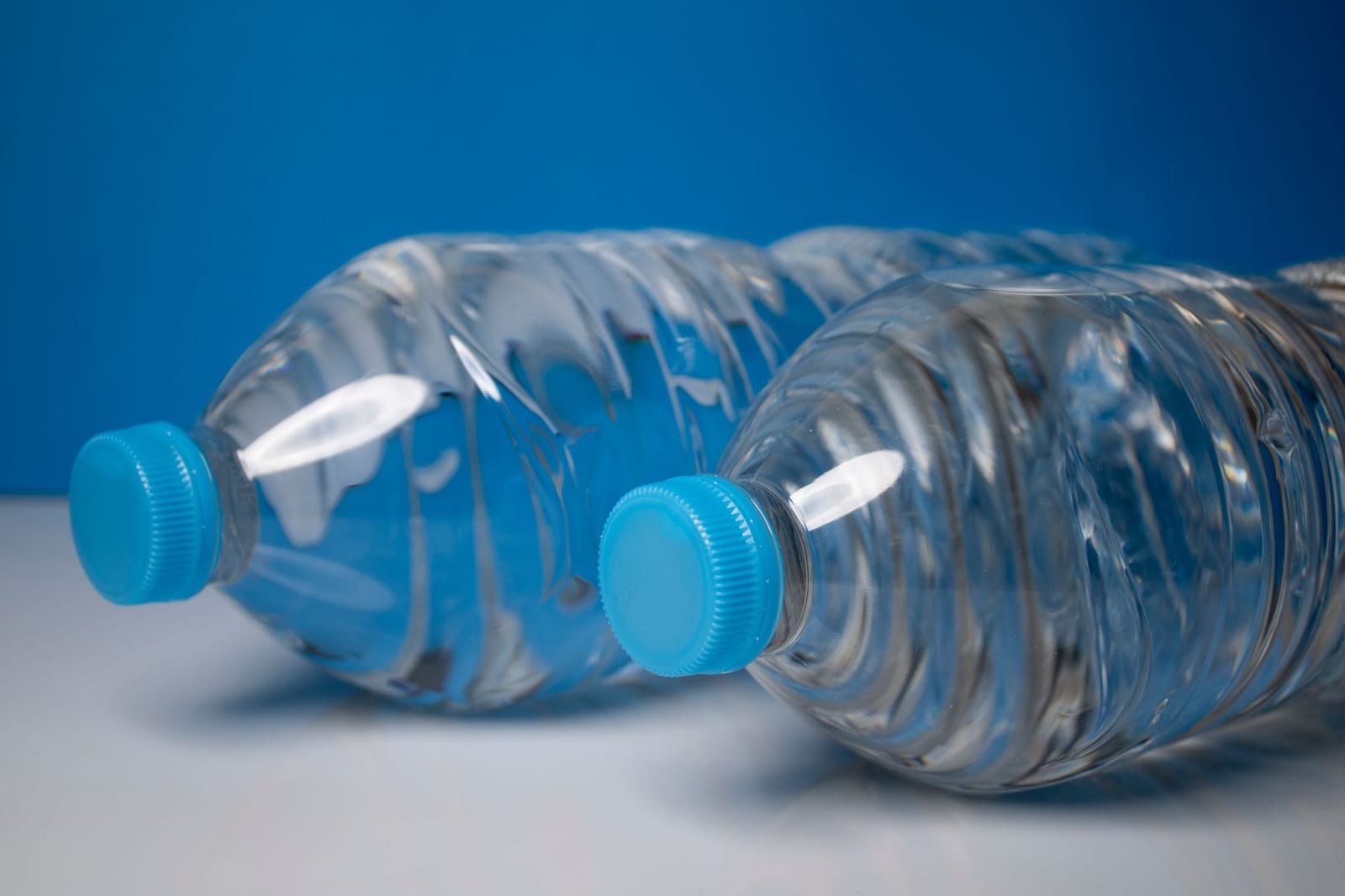 Plastic bottles of water, sold cheaply in shops all over Da Nang.
For most travelers, yes — brushing your teeth with tap water is fine, as long as you spit it out and don't swallow. If you have a sensitive stomach or want to be extra careful, use bottled or boiled water. For young children, use bottled water.
Usually, yes. Most cafes, restaurants, and bars use commercial ice made from filtered water. You can spot it by the clean cylinder shape with a hole through the middle — that ice is safe. Be more careful with cloudy or hand-crushed ice at very cheap street stalls. When unsure, ask for your drink without ice ("không đá").
Yes. Cooking usually means boiling — soup, rice, noodles, coffee — and the heat takes care of the bacteria. Washing vegetables and fruit in tap water is fine too. Just give anything you eat raw a final rinse with bottled or boiled water to be safe.
Yes. Showering, bathing, and washing your hands with tap water are all fine. Just try not to swallow it. This is exactly why we say tap water is clean enough to wash with, not to drink.
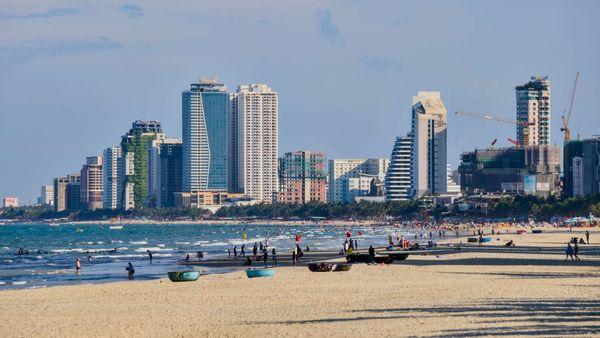
Da Nang's tap water comes mainly from the Cầu Đỏ treatment plant on the Cẩm Lệ River, run by the local water company, Dawaco. The water that leaves the plant is treated and tested, and Da Nang is one of Vietnam's cleaner, more modern cities — its supply is generally reliable.
Two local things worth knowing:
For a short trip to Da Nang, the easy routine is simple: use the hotel kettle for drinking water, keep a bottle in your bag for the day, and refill whenever you pass a shop.
Bottom line: don't drink it straight from the tap, but don't worry either. Boil it or buy it, and getting safe water in Vietnam — and in Da Nang — is easy and cheap.

One local roundup a month — new guides, festival dates and where to eat. No spam.