The best time to visit Da Nang is February–May: warm, dry, calm sea. Here's an honest month-by-month weather guide, plus the months to avoid.

By the Go-Da-Nang local team · Last updated June 2026
The best time to visit Da Nang is February to May — warm but not brutal, almost no rain, low humidity, calm swimmable sea, and crowds that haven't yet peaked. Below is the honest month-by-month picture, including the weeks we'd tell a friend to avoid.
If you only read one paragraph: aim for February through May. The rain has stopped, the air is dry and comfortable, the sea is flat enough to swim every day, and the city isn't yet packed with summer-holiday crowds. It's the sweet spot where everything Da Nang does well — beach, mountains, food, day trips to Hoi An — is firing at once.
A quieter alternative is late August into September, just before the rains arrive: fewer tourists, lower prices, and the sea is usually still warm, though you're gambling a little on early storms. June to August is peak summer — gorgeous beaches but genuinely hot and humid, and busy with domestic holidaymakers. The months to be wary of are October to mid-November, the heart of the rainy and typhoon season, when flooding and cancelled trips are a real risk. More on each below.
Da Nang has two seasons rather than four — and unlike Hanoi or Saigon, its weather is shaped heavily by the coast and the mountains behind it.
This is the long stretch you want. Skies are mostly clear, rain is rare and brief, and the sea is calm. The catch is the back half: from June to August the heat and humidity climb steadily, and midday on the beach can be punishing. The front half — February to May — is the genuinely comfortable window.
Da Nang's rain doesn't drizzle; it arrives in heavy tropical downpours, and the peak overlaps with Vietnam's central-coast typhoon season. October to mid-November is the wettest and riskiest period, with the real chance of flooding in low-lying areas and in nearby Hoi An. By late December the worst is usually over, though it stays cooler and grey-ish into January. We're honest about this because most tour sites quietly aren't — if you book October blind, you may spend half your trip indoors.
Here's the year at a glance. Treat the temperature and rainfall numbers as typical averages, not guarantees — coastal weather swings year to year.
| Month | Avg high / low °C | Rainfall | Sea / beach | Crowds | Verdict |
|---|---|---|---|---|---|
| Jan | 24° / 19° | Moderate, tail of wet season | Cooler, can be choppy | Low–medium | ⚠️ |
| Feb | 26° / 20° | Low | Calming, swimmable | Low | 👍 |
| Mar | 28° / 22° | Low | Calm, warming | Low–medium | 👍 |
| Apr | 30° / 23° | Very low | Calm, warm | Medium | 👍 |
| May | 33° / 25° | Very low | Warm, calm | Medium | 👍 |
| Jun | 34° / 26° | Low | Warm | High | ⚠️ |
| Jul | 34° / 26° | Low | Warm | High | ⚠️ |
| Aug | 33° / 26° | Rising | Warm, occasional swell | Medium–high | ⚠️ |
| Sep | 31° / 24° | Rising, first storms | Warm, choppier | Medium | ⚠️ |
| Oct | 29° / 23° | Very high, peak | Rough, often closed | Low | 👎 |
| Nov | 27° / 22° | High | Rough early, calming late | Low | 👎 |
| Dec | 25° / 20° | Moderate–high | Cooler, choppy | Low–medium | ⚠️ |
This is where we'd send anyone with a flexible calendar. Days are sunny and dry, the humidity hasn't spiked, and the sea is calm enough to swim and snorkel comfortably. April and May warm up nicely without the July furnace feeling. What I'd actually do: book a beachfront base, do Ba Na Hills or the Marble Mountains on a clear morning, and save afternoons for the beach. Early in this window (Feb–Mar) you'll also dodge the worst crowds.
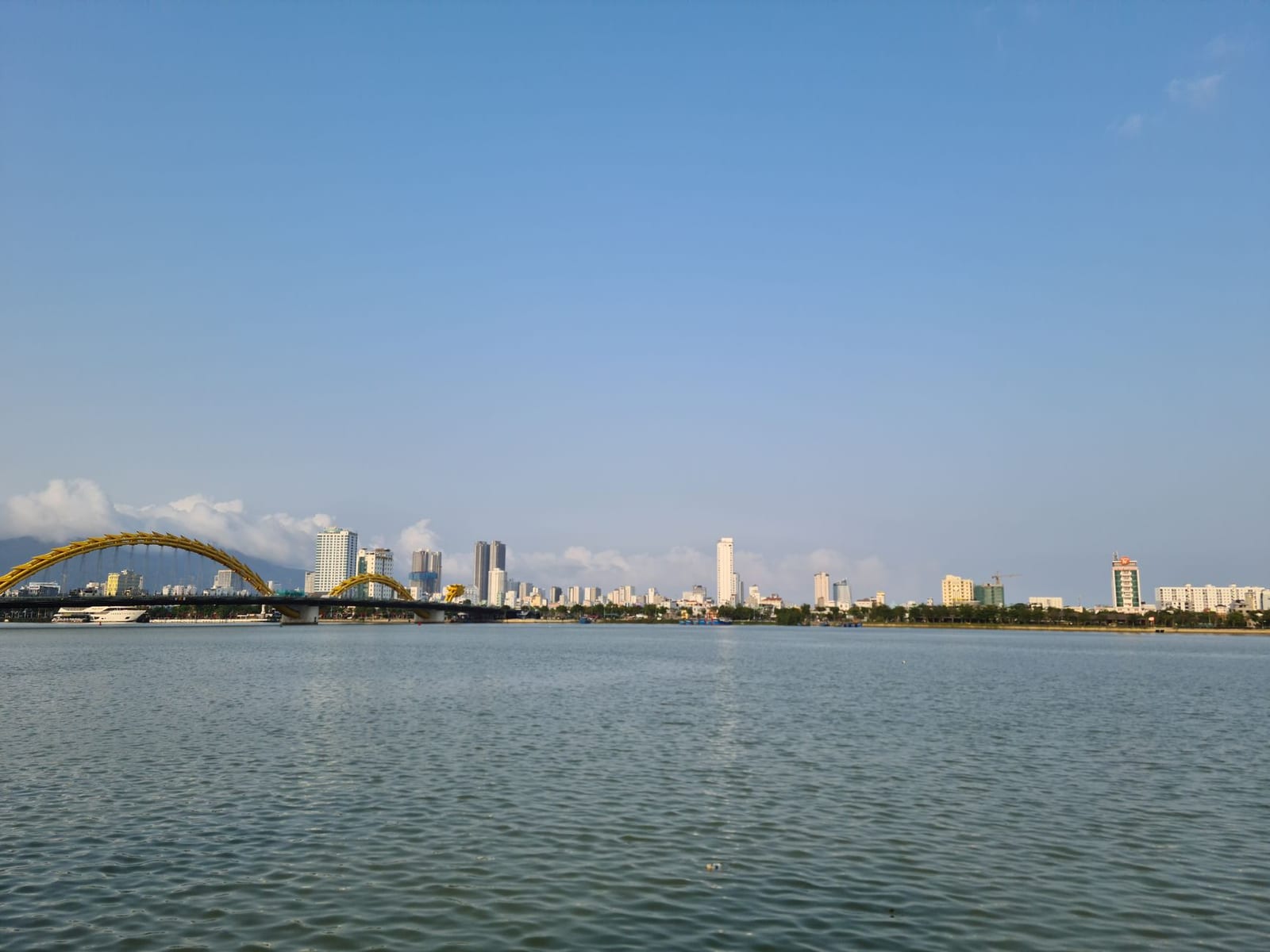 Da Nang's Dragon Bridge over the Han River on a clear, dry-season day
The beaches look their absolute best, but the heat is real — highs in the mid-30s °C with sticky, draining humidity, and the sun at its most punishing between roughly 11am and 3pm. Step outside at noon and you'll feel it within minutes; this is not weather for marching around an exposed site like the Marble Mountains at lunchtime.
The trick is to plan your day around the sun rather than fight it. Mornings are for the beach — get to My Khe by 6:30 or 7am, when the sand is cool, the water is its calmest, and locals are already out swimming before work. Midday belongs indoors. This is when Da Nang's air-conditioned side earns its keep: linger over an iced Vietnamese coffee or a bowl of mì Quảng in a cool café, take in the Museum of Cham Sculpture or the 3D Art museum, or simply nap through the worst of it like the locals do. Evenings reopen the city. From about 5pm the heat eases, the riverfront fills up, the night markets get going, and the Dragon Bridge breathes fire on weekend nights — this is when summer Da Nang is genuinely lovely.
On the water, peak summer is the best swimming of the year. The sea is bath-warm, the surf is usually gentle, and visibility for snorkelling around the Son Tra peninsula is at its best. Two honest caveats: the midday UV is fierce, so swim early or late and reapply sunscreen constantly, and jellyfish do turn up on some summer days — if you see warning flags or other swimmers giving the water a miss, take the hint.
The catch is everyone else has the same idea. June to August is when domestic tourism peaks — Vietnamese families travel during the school holidays — so beaches are busier, restaurants have queues, and hotel rates climb. The crunch tightens further around the Da Nang International Fireworks Festival (DIFF), which packs the riverside on show weekends. The trade-off is concrete: on a DIFF firework night, central and riverfront hotels can run noticeably higher than a normal summer night and sell out weeks ahead, and the best free viewing spots along the Han River fill up an hour or two before the first launch. If you specifically want the fireworks, book early and accept the premium; if you don't, you can save money and dodge the crush by simply visiting on a non-show week in the same months. What I'd actually do: beach at sunrise, café or museum through midday, riverfront and night market after 5pm — and if DIFF isn't the reason you came, deliberately pick a weekend with no show.
Don't treat these four months as one wet blur — they're very different. September is genuinely shoulder season. It's often still warm and largely dry, the sea is usually still swimmable, and prices have eased off the summer peak while the crowds thin out. The only real gamble is the first storms of the year, which can arrive early in some years and not until October in others. If you want low-season value without committing to a washout, September is the smart pick.
October to mid-November is the actual peak of the wet season — this is when the rain gets serious and the typhoon risk is highest. By late December the worst has usually passed, leaving cooler, greyer, but far drier days. So within this stretch the risk curve runs roughly: low in September, high through October and early November, easing again by late December.
It helps to know how the rain falls. For much of the season it comes as heavy tropical bursts — an hour or two of torrential downpour, then it clears and the streets dry out and life resumes. You learn to time your wandering around the gaps. The exception is during and right after a storm system, when it can genuinely rain all day for two or three days straight and low-lying streets and nearby Hoi An may flood.
And plenty of Da Nang is at its best in the rain. The food and coffee culture doesn't care about the weather — a steaming bowl of bún chả cá or mì Quảng hits differently when it's pouring outside, and the city's café scene is practically designed for watching rain through the window with a cà phê sữa đá (or a hot cà phê trứng, egg coffee). It's prime time for a long, cheap spa or massage, and Hoi An's old town is full of indoor pleasures — tailors, lantern-lit cafés, the covered market, a cooking class — as long as the river hasn't risen too far. What I'd actually do: if you must come in this window, aim for September or late December over October, build a flexible itinerary with refundable bookings, and keep a list of indoor backups (museums, cafés, cooking classes, spa) ready for the all-day soakers.
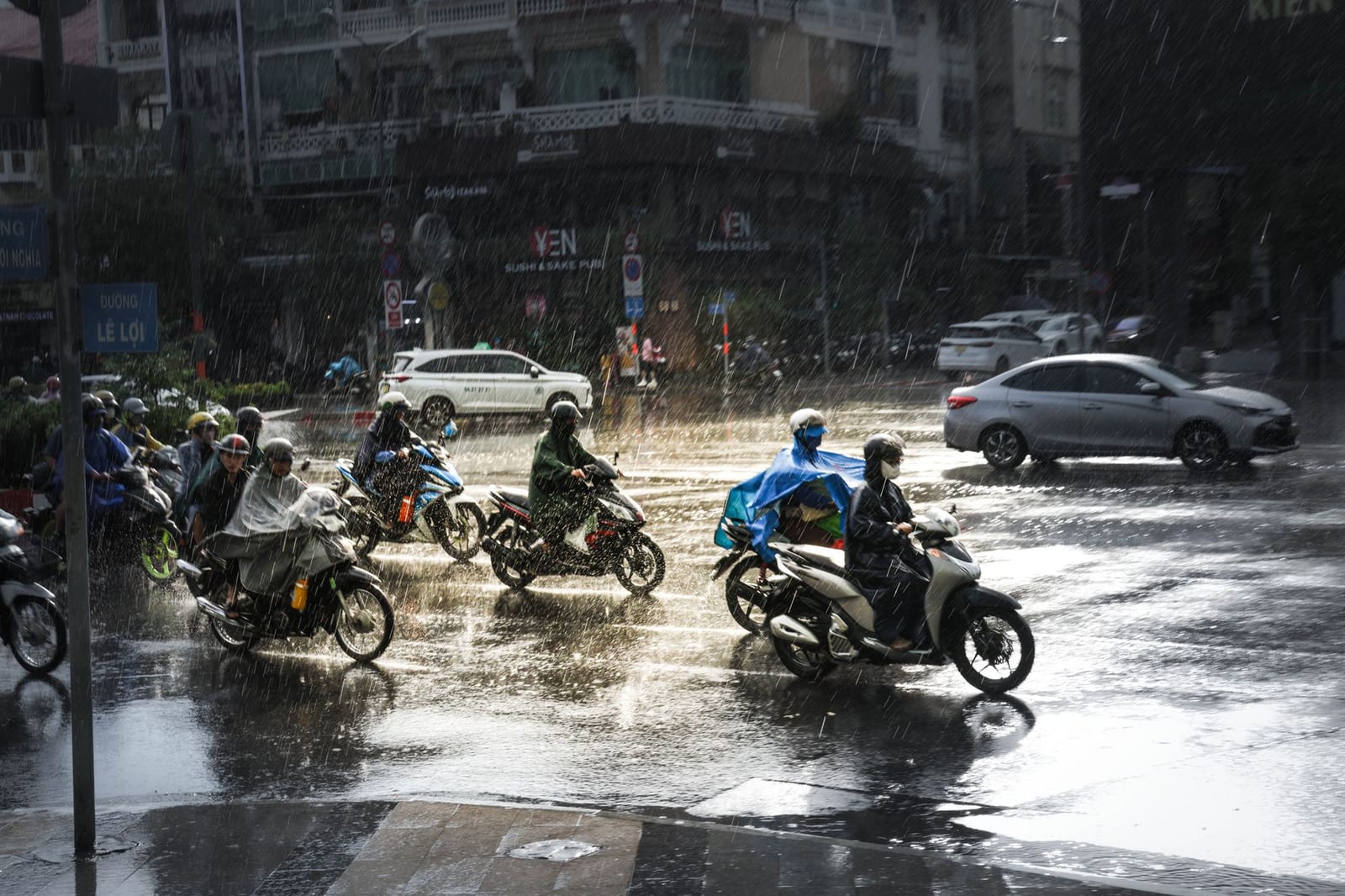 Heavy tropical rain on a Vietnamese street during the wet season
October to mid-November is the period we'd steer most travelers away from. This is the peak of the central-coast typhoon and flood season, and the consequences are practical, not theoretical:
This isn't a reason to panic if October is your only option — locals carry on, and a wet Da Nang still has great food and cafés. But go in with open eyes and travel insurance, and don't pre-book non-refundable day trips.
Festivals are a great reason to visit — just know they push prices and crowds up.
Da Nang's signature event: international teams compete with elaborate fireworks shows over the Han River across several weekend rounds. It typically runs from late May into mid-July — for 2026, the dates look to be roughly May 30 to July 11. Expect packed riverside viewpoints and a noticeable bump in hotel rates on show nights, so book ahead.
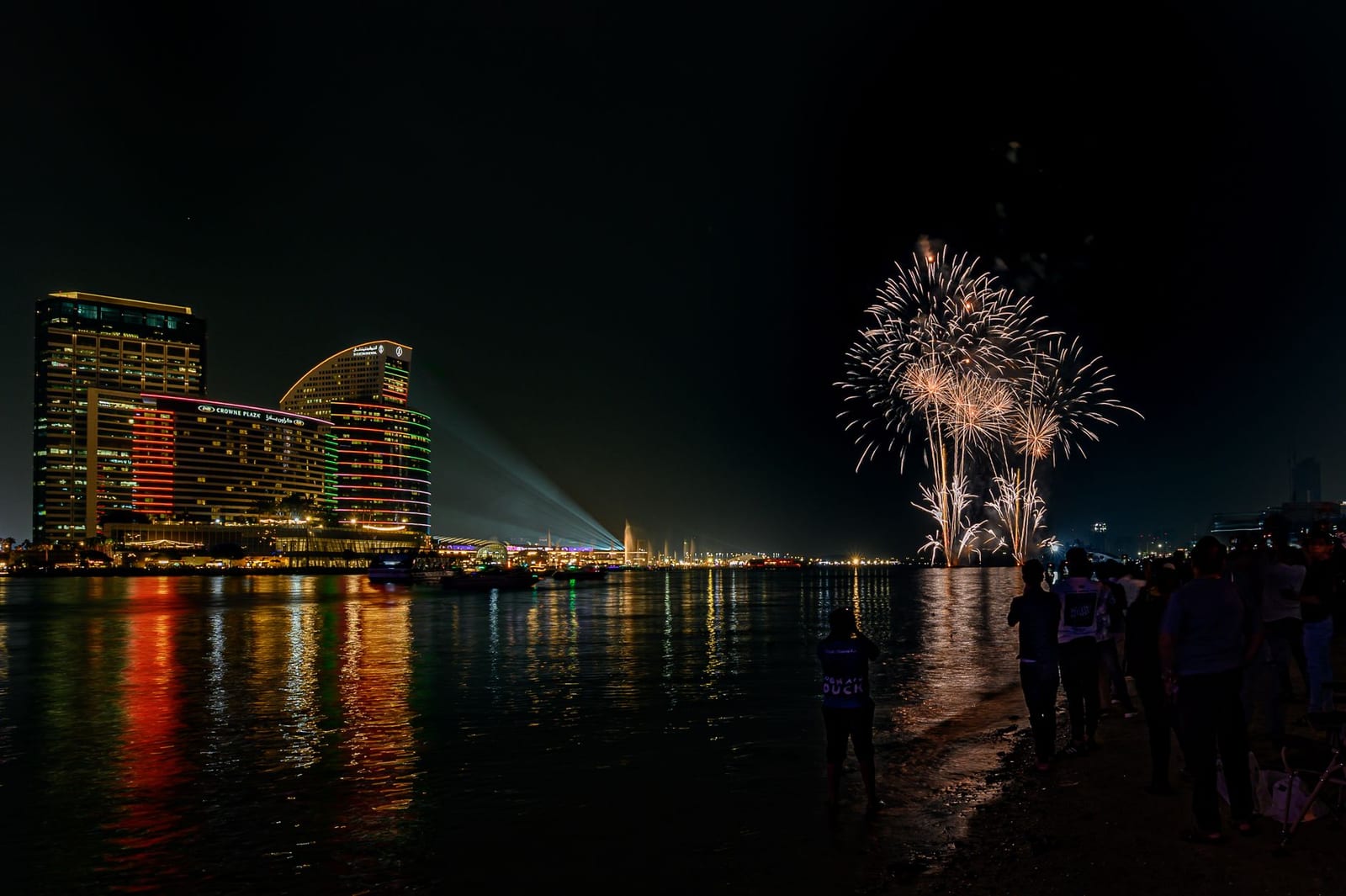 Fireworks lighting up the night sky over a riverside city
Illustrative — a generic fireworks display, not DIFF.
Vietnam's biggest holiday. In 2026 Tết falls in mid-February. It's a fascinating time to see the city decorated and locals celebrating, but many family-run restaurants and shops close for several days, transport books out, and prices spike. If you come for Tết, plan around closures and reserve everything early.
Da Nang hosts smaller cultural events through the year — food festivals, the occasional concert or sporting event, and Buddhist celebrations at the Marble Mountains pagodas. None should make or break your dates, but they're a nice bonus if they line up.
Da Nang's busiest, priciest stretch is the summer (June–August), driven by domestic holidays and DIFF, with a secondary spike around Tết. The rainy season (October–December) is the cheapest and quietest. The February–May window sits in the comfortable middle: pleasant weather without summer-peak pricing.
| Season | Crowds | Price | Best for |
|---|---|---|---|
| Feb–May | Low–medium | Moderate | Best all-round balance |
| Jun–Aug | High | Highest | Beach lovers who don't mind heat & crowds |
| Sep | Medium | Lower | Shoulder-season value, mild weather gamble |
| Oct–Dec | Low | Lowest | Budget travelers, rain-tolerant |
For the cheapest trip with the least weather risk, target September or late December — shoulder periods where rates drop but you're not deep in the worst of the storms. The absolute lowest prices land in October–November, but you're trading money for a real chance of washed-out days. Avoid Tết and DIFF weekends if your priority is value. Prices vary widely by neighborhood and how far ahead you book, so we won't pin exact VND figures here — but as a rule, beachfront rates roughly double in peak summer versus the rainy season.
Roughly September to December, with the heaviest, most disruptive rain in October and early November. December tapers off but stays cooler and grey.
Yes, with the right expectations. You'll get low prices, few crowds, and the city's food and café scene runs rain or shine. Just keep your plans flexible, avoid non-refundable day trips, and don't count on beach days — especially in October.
Central Vietnam's typhoon season generally runs September through November, peaking around October to mid-November. Storms can cause flooding, beach closures, and cancelled mountain trips.
June and July are typically the hottest, with highs in the mid-30s °C and high humidity. The sun is strongest from late morning to mid-afternoon.
Not comfortably. The sea is best and calmest from about February to August. From September onward, rough surf and storm swells make it choppy, and beaches are often closed during October–November. Winter (Dec–Jan) is swimmable on calm days but cooler.
The cheapest stretch is the low season from September to early December, when hotel and flight prices drop well below the summer and Tết peaks. The honest trade-off is rain: the absolute rock-bottom rates land in October and November, exactly when you're most likely to lose days to storms. For the best value-to-weather balance, target September (often still warm and dry) or late December (cooler and drier than the October peak). Whatever you do, avoid the three price spikes — Tết, peak summer (June–August), and DIFF show weekends — if budget is your top priority.
It's a mixed bag. Early December can still bring heavy rain, but by late month the worst usually passes — leaving cooler, quieter, cheaper days. It's a decent budget shoulder option if you're not set on beach time.
If you can choose, come February to May for the best all-round Da Nang; pick September for value, embrace summer if you live for the beach, and approach October to mid-November with caution and insurance. Whenever you land, plan around the weather and you'll have a great trip.
Next, map out what to actually do once you're here — start with our things-to-do guide and our 3-day Da Nang itinerary.

One local roundup a month — new guides, festival dates and where to eat. No spam.