An honest month-by-month guide to the best time to visit Da Nang — weather, sea, crowds and prices, plus which months to skip and why.
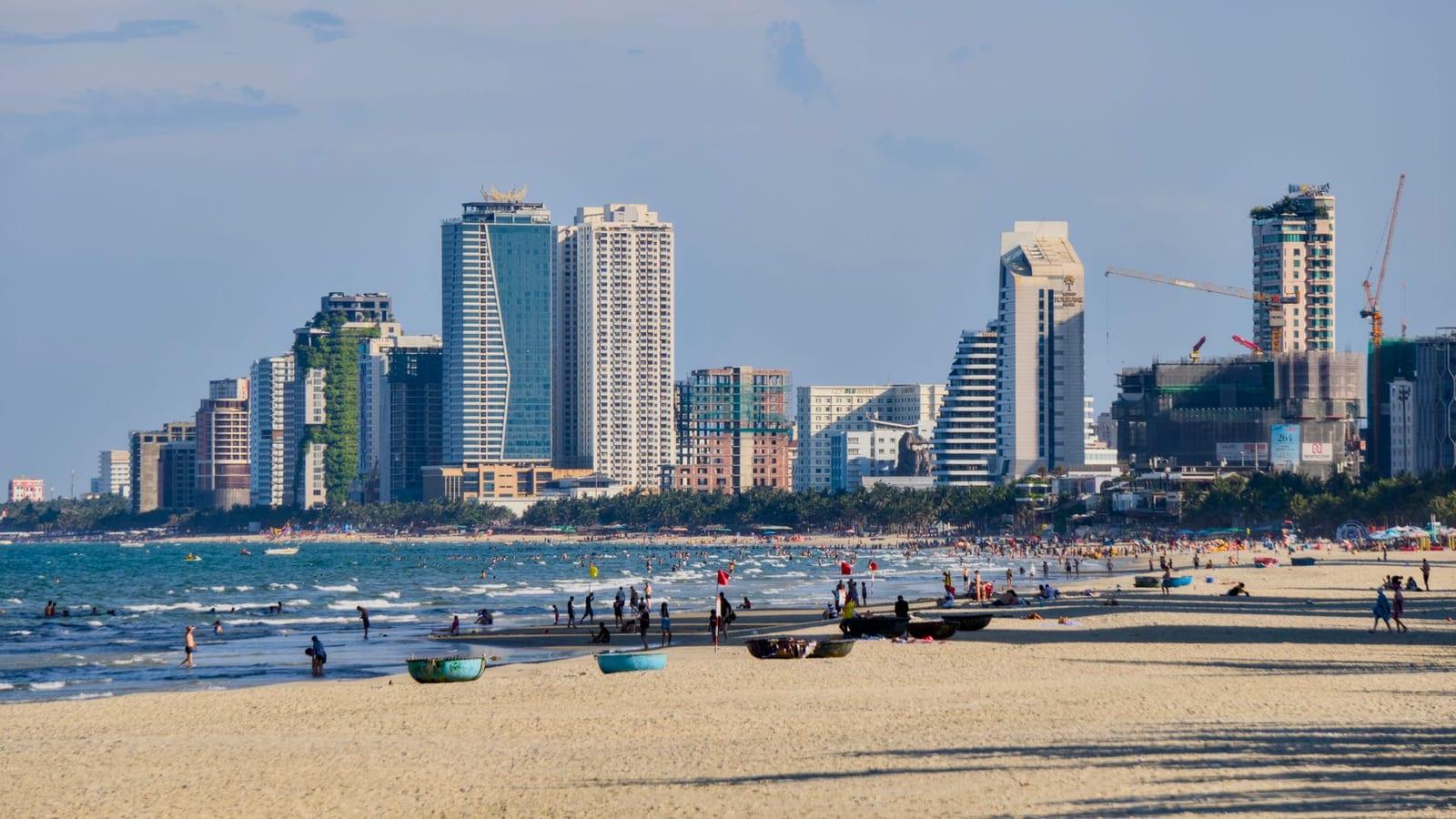
Two travelers land in Da Nang six months apart. One arrives in October to a churning brown sea, a red no-swim flag snapping in the wind, and a Hoi An lantern night cancelled by flooding. The other swims a glass-clear My Khe before breakfast in March, then rides up to a cloud-free Golden Bridge. Same city, completely different trip.
So the honest short answer is that the best time to visit Da Nang is roughly February to May: warm, dry, a calm swimmable sea, and prices below the summer peak. But "best" really depends on what you came to do — surfers, divers, festival-chasers, and budget travelers each have their own sweet spot, and we map all of them below. One thing to know up front: Vietnam's central coast runs on its own clock, so it is often sunny here in spring while Hanoi is grey and Ho Chi Minh City is starting to flood.
By the Go-Da-Nang local team · Last updated July 2026
Da Nang has a long dry season and a short, sharp wet season.
The dry season runs roughly from February to August. February through April are the driest months, bringing clear skies and a calm sea before the summer humidity climbs.
The wet season runs from September to December. October is the wettest month by a wide margin, catching around 650 mm of rain. The rainy season rarely means all-day drizzle. You usually get heavy downpours for an hour or two before the sky clears and the streets steam dry. October and November are the exceptions. They bring the peak typhoon window, which can cause washed-out days and dangerous ocean conditions. Even then, you still get plenty of bright, warm hours between storms.
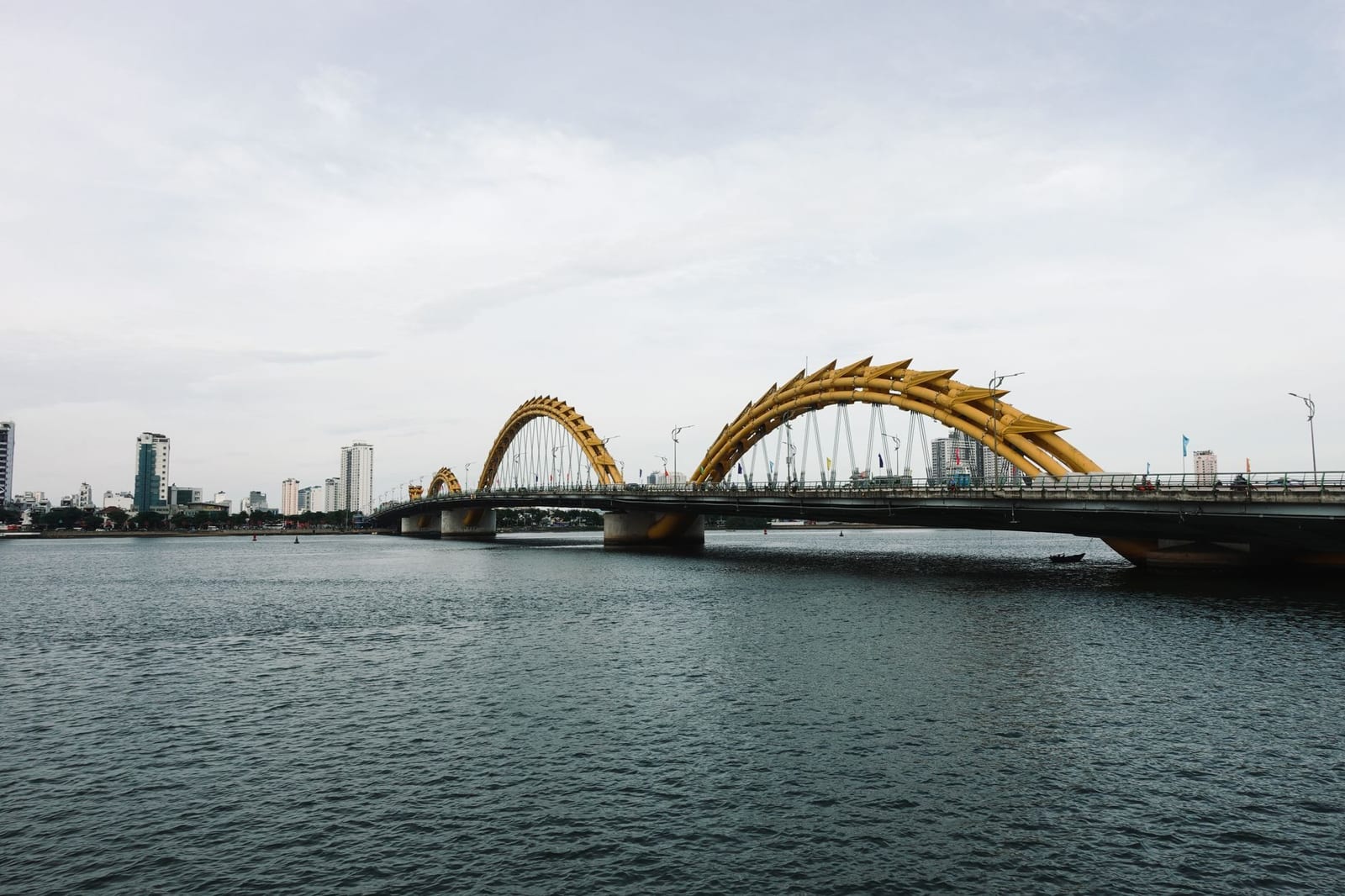 Da Nang's Han River and Dragon Bridge under clear skies
Scan the year with this table, then read the notes below for more detail on the specific months you are weighing.
| Month | Temp (°C) | Rain / sea | Crowds | Good for |
|---|---|---|---|---|
| Jan | 19–25 | Tail-end showers; sea calming | Low–medium | Cool sightseeing, low prices |
| Feb | 20–26 | Dry, mild; sea calm | Medium | Sweet-spot start (Tết can spike prices) |
| Mar | 22–29 | Driest; sea calm & clear | Medium | Best all-round beach + city |
| Apr | 24–31 | Dry, warm; sea calm | Medium–high | Best all-round (late-April holiday spike) |
| May | 25–34 | Hot; brief showers, sea calm | High | Beach, but getting hot |
| Jun | 26–35 | Hot; sea warm | High | Beach + DIFF fireworks |
| Jul | 26–35 | Hottest; sea warm | Very high | Beach — but peak heat & crowds |
| Aug | 25–34 | Hot, humid; showers building | Very high | Beach, book early |
| Sep | 24–32 | Rain building fast; sea roughening | Medium | Quiet shoulder, cheaper |
| Oct | 23–30 | Wettest by far; sea rough, typhoons | Low | Budget, moody city days |
| Nov | 22–28 | Very wet; sea rough, typhoon risk | Low | Cheapest, emptiest |
| Dec | 20–25 | Rain easing, cooler; sea calming | Low–medium | Value + cooler sightseeing |
This is when Da Nang is at its best. Days are warm but comfortable, humidity is low, and the sea off My Khe and the main beaches is calm, clear, and reliably swimmable. March and April are the top picks. You get full beach days without the intense heat of July, and hotel rates sit below the summer peak. Just remember to plan around Tết (Vietnamese Lunar New Year, usually late January or February) and the April 30 to May 1 public holiday.
Summer is when Da Nang fills up with domestic travelers. This is the main Vietnamese school holiday season. Families arrive from Hanoi and Ho Chi Minh City, making hotels and flights expensive and heavily booked. July is the hot, crowded peak. Expect 34°C afternoons, strong sun, and busy sand by mid-morning. You will want to hit the beach early or late in the day.
The big upside to visiting in summer is the Da Nang International Fireworks Festival (DIFF). It lights up the Han River across several weekend nights. Check our DIFF 2026 dates, tickets and viewing spots guide for the schedule.
This is Da Nang's quietest and cheapest stretch. Prices drop, beaches empty out, and the city cools down. You just need to be realistic about the weather. October is the wettest month by far. Along with November, it carries the peak typhoon risk. The sea is usually too rough and murky to swim, so always watch for lifeguard red flags. Boat trips and outdoor tours will pause during storms. December eases back toward dry weather. It is cooler, calmer, and offers great value if you are here mainly for the food, city life, and day trips.
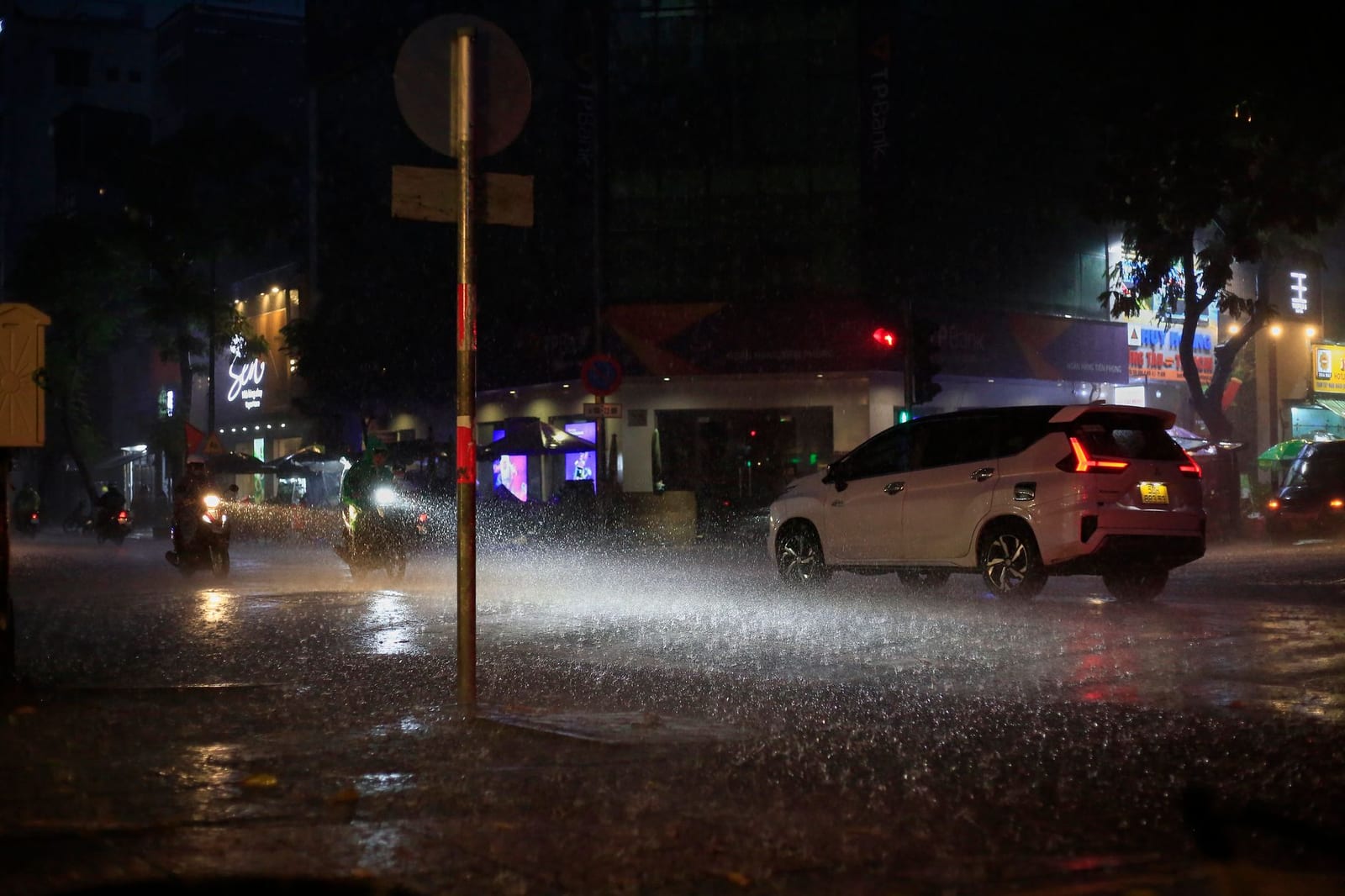 A sudden rainy-season downpour on a Vietnamese city street
Weather is only half the story. The Vietnamese holiday calendar dictates Da Nang's busiest and priciest days.
For the best value, aim for the shoulder weeks in January, early February before Tết, September, and December. Prices drop noticeably in the wet season, and the city is far calmer.
Da Nang's seasons reward different travelers at opposite ends of the year. Here is when each kind of trip peaks.
If the sea turns rough while you are here, the hills come into their own. Ba Na Hills, the Son Tra Peninsula, the Marble Mountains, and a Hoi An day trip are often better in the cooler, cloudier months. A wet forecast just means you plan differently.
 Ba Na Hills in the clouds — a good rainy-season alternative to the beach
Weather tables miss the human element. When a downpour catches you off-guard, a café owner will wave you in from the doorway before you can even ask. A xe ôm driver will happily reroute you to an indoor spot rather than take your money for a soaked beach. Even in a steady drizzle, market vendors set up as usual with their umbrellas high. You pick your month for the weather, but the locals make even a rainy October week feel like a great trip.
What is the rainiest month in Da Nang? October is the wettest month by far, with November close behind. These two months carry the main typhoon risk. Expect heavy downpours and a few washed-out days rather than constant drizzle.
Is Da Nang worth visiting in the rainy season? Yes, as long as you keep your plans flexible. It is the cheapest and quietest time to visit. The rain usually falls in short bursts, leaving plenty of time to enjoy the food, city life, and day trips. Just avoid planning a beach holiday in October or November.
What is the best month to swim in Da Nang? March and April. The sea is calm, clear, and warm, and the sand is free of heavy summer crowds. The wider swimmable window runs roughly from February to August.
When is the best time to surf in Da Nang? Roughly November to March. These cooler, wetter months bring the swells that make the sea too rough for swimming, which is exactly what surfers want at My Khe and Non Nuoc. You also get fewer crowds and lower prices.
When is the cheapest time to visit Da Nang? The wet season from September to December, along with the quiet weeks bordering it. Hotel and flight prices drop significantly once the summer domestic peak ends.
Is it too hot to visit Da Nang in July? July is the hottest and busiest month. It brings 34°C afternoons and packed beaches. You can manage the heat by starting early, resting at midday, and booking ahead. It is also the heart of the DIFF fireworks season. Check the DIFF 2026 guide for dates.
Once you choose your travel window, you can build your days around it. Our 3-day, 5-day, and 7-day Da Nang + Hoi An itineraries easily adapt to beach weather or rainy-day alternatives. Since Hoi An became a ward of Da Nang in July 2025, that lantern-lit day trip is now part of the same city. Check the Hoi An festivals calendar to time your visit perfectly.
One local roundup a month — new guides, festival dates and where to eat. No spam.