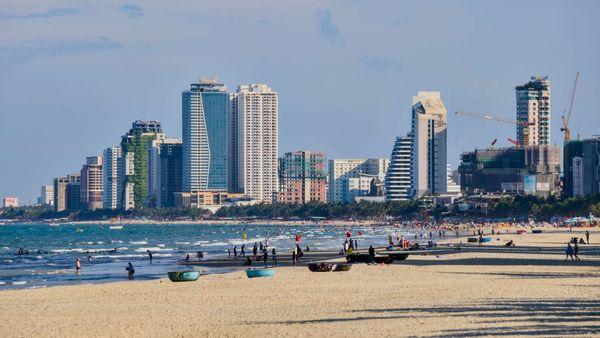
A local's guide to the best things to do in Da Nang — the Golden Bridge, Marble Mountains, My Khe Beach, Son Tra, food, and Hoi An day trips.

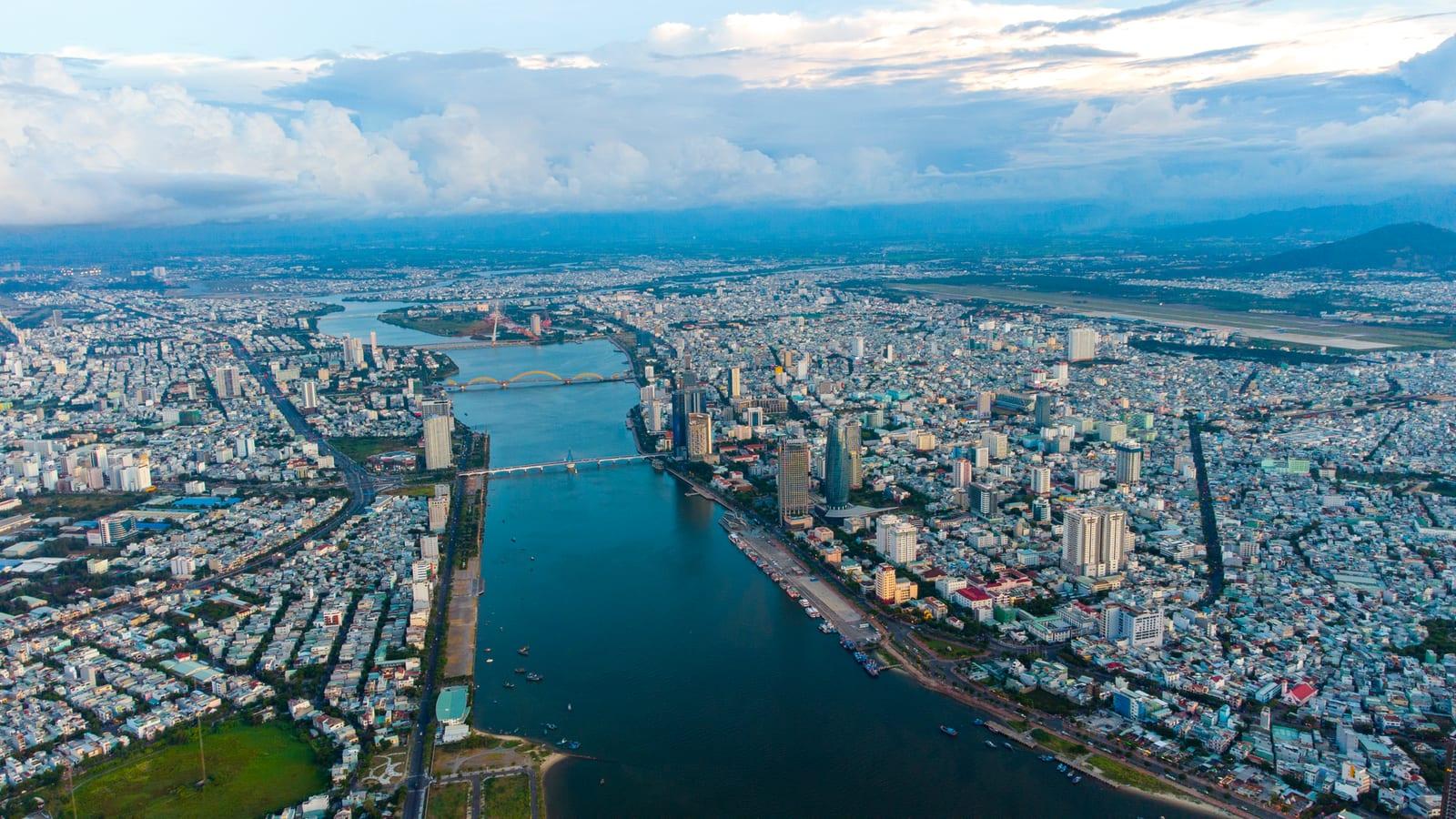
By the Go-Da-Nang local team · Last updated June 2026
Da Nang mixes long sandy beaches, jungle-covered mountains, and incredible street food in a city that is refreshingly easy to navigate. You can spend your morning walking through cave temples, your afternoon swimming in the ocean, and your evening eating fresh seafood by the river. Here is exactly what is worth your time, what to skip, and how to plan your trip.
| Attraction | Best for | Time needed | Rough cost |
|---|---|---|---|
| Ba Na Hills & Golden Bridge | First-timers, photos | Half–full day | High (~1,000,000đ / ~US$40 cable-car) |
| Marble Mountains | Views, caves, temples | 2–3 hours | Low (40,000đ entry) |
| Dragon Bridge fire show | Evening entertainment | 30–45 min | Free |
| Son Tra & Lady Buddha | Views, quiet, motorbiking | 2–4 hours | Free |
| My Khe Beach | Swimming, sunrise | 1–3 hours | Free |
| Hoi An day trip | Culture, food, lanterns | Half–full day | Transport only |
| Hai Van Pass | Scenic drive | Half day | Motorbike/car hire |
Three to four days is the sweet spot. Spend one day on city sights like the Marble Mountains, Dragon Bridge, and My Khe Beach. Use another for Ba Na Hills or the Son Tra Peninsula, and save a full afternoon and evening for Hoi An. If you only have two days, skip Ba Na Hills and stick to the beach, the caves, and Hoi An. With five days or more, rent a bike for the Hai Van Pass or take a day trip to Hue. Grab our hour-by-hour 3-day Da Nang itinerary to see how it all fits together, or our 7-day Da Nang itinerary if you have a full week.
Yes, but go in with realistic expectations. The Golden Bridge is striking, and the 40-minute cable-car ride up the mountain is fantastic. The catch is that the top is a crowded theme park. The French Village and indoor games hall draw massive crowds, and the whole complex feels built for Instagram.
To do it right, go early on a clear day. You will beat the haze, avoid the tour buses, and get the best morning light for photos. Buy your ticket online beforehand to skip the worst queues. An adult cable-car and entry ticket costs around 1,000,000đ (~US$40) as of 2026 and is valid for up to three consecutive days. Prices change, so check the official site before you go. Budget half a day for a quick visit, or a full day to ride the coasters and see the gardens.
Skip it if you hate crowds, long lines, or artificial attractions. Spend your time exploring the wilder, quieter Son Tra Peninsula instead.
 The Golden Bridge at Ba Na Hills, held up by two giant stone hands
You rarely have to travel far. Most of these spots are just 10 to 20 minutes apart.
This cluster of five limestone and marble hills sits about 15 minutes south of the main beach. The main hill, Thuy Son, is packed with cave temples, Buddhist shrines, and viewpoints looking out over the coast. Entry is 40,000đ. You will be climbing uneven stone steps, so wear proper shoes. If you want to skip the initial climb, an elevator takes you partway up for about 15,000đ one-way or 30,000đ return (prices change). Give yourself two to three hours and go in the morning before the heat sets in. The stone-carving village at the base is free to browse, and you can politely ignore the vendors.
This massive yellow bridge is a great landmark by day and a fun spectacle at night. On Friday, Saturday, and Sunday at 9:00 PM, the dragon breathes fire and water for about 15 minutes. Show up 20 minutes early and grab a spot near the head on the east side (the beach side). Step back when the water jets start, or you will get completely soaked. The show is free, short, and a great way to cap off the night.
This forested mountain northeast of the city is Da Nang's green lung. The main draw is the 67-metre Lady Buddha at Linh Ứng Pagoda, which you can see from almost anywhere on the beach. Past the pagoda, the roads get quiet. You will find hidden viewpoints, small coves, and occasionally the endangered red-shanked douc langurs. Rent a motorbike or hire a Grab to explore, and aim for sunset. Some of the upper roads are steep and restricted, so only ride a scooter up there if you are highly experienced.
For an easy evening walk, browse Han Market (Chợ Hàn) for souvenirs and street snacks. Afterward, stroll down the Bach Dang riverfront promenade as the city bridges light up.
My Khe Beach is the main attraction. It is a long, wide stretch of soft sand with a paved walking path, gentle waves, and free public access. You can rent sun loungers for cheap. The beach is best right after sunrise, before the sun gets too hot and the crowds arrive. If you walk ten minutes south past the large resorts, you will usually find empty sand. Bring small VND notes to buy a fresh coconut from the morning vendors.
Swim between the flags. Rough days bring rip currents, and lifeguards only work specific hours. The water is calm and clear during the dry months, but gets choppy during the wet season. If you want a quieter swim, head north toward the Lady Buddha to the smaller beaches at the base of Son Tra.
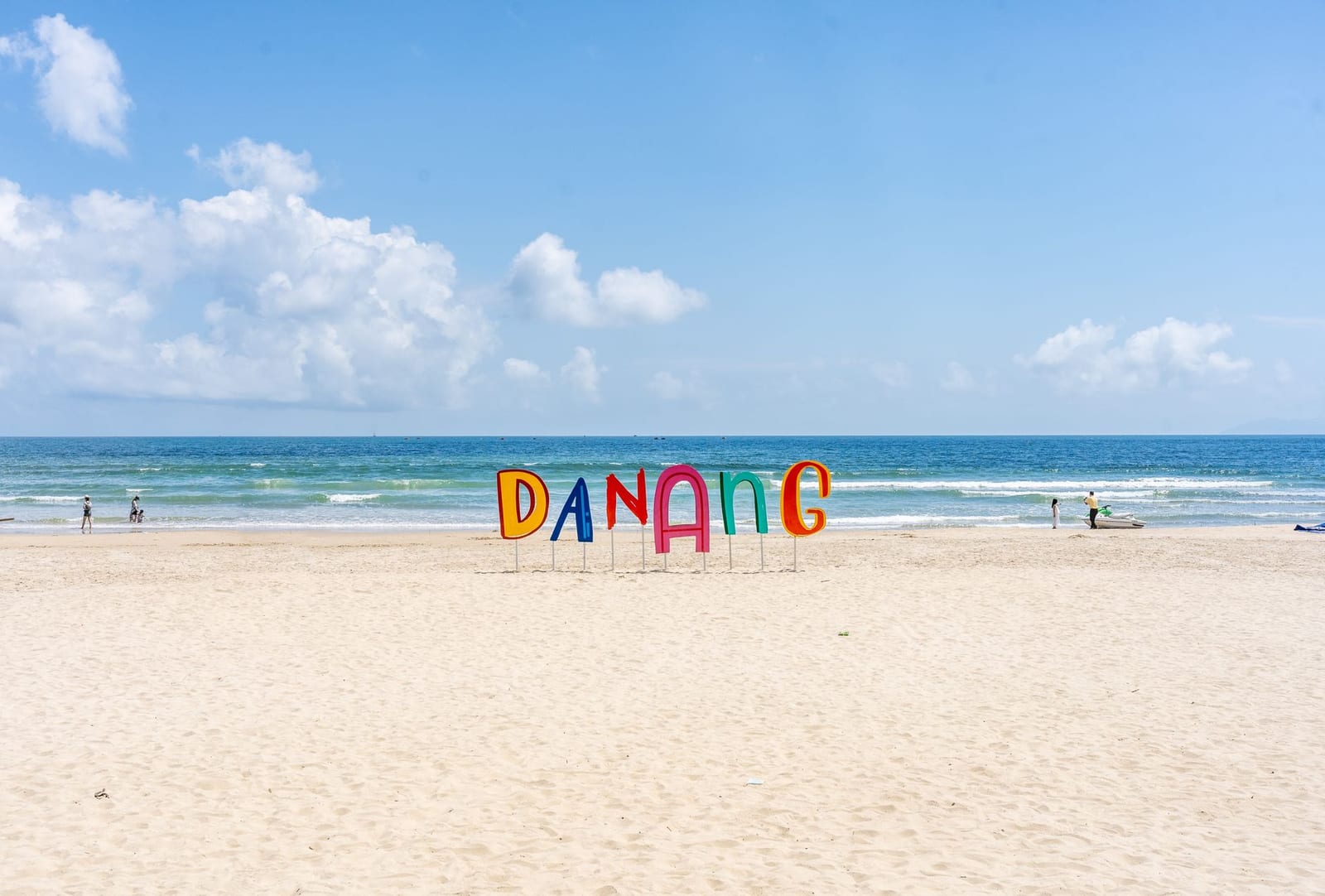 Early morning on My Khe Beach in Da Nang, calm water and quiet sand
If you have a spare half-day and know how to ride, this is one of central Vietnam's best coastal drives. The mountain road between Da Nang and Hue offers massive ocean views. You can rent a motorbike, hire a local "easy rider" to drive you, or book a car tour toward Hue and the Lang Co lagoon. Only go in clear weather. Clouds often swallow the pass, which looks dramatic but completely blocks the view.
Da Nang is a heavyweight food city. Start with these local staples:
Pair your food with a cà phê sữa đá (iced milk coffee) or a local coconut coffee.
Etiquette and money: The best food is usually served on small plastic stools on the sidewalk. Tipping is not expected. Read our guide to tipping culture in Vietnam for the details.
From the airport: Da Nang International Airport is incredibly close to the city, just 10 to 15 minutes from My Khe Beach. Book a ride through the Grab app for a fair, metered price instead of haggling with taxi drivers outside arrivals.
Around the city: The areas along the river and the beach are flat and walkable. For longer trips, Grab cars and motorbike taxis are cheap and reliable. Many visitors rent a motorbike to visit Son Tra, the Marble Mountains, and the Hai Van Pass. Only rent a bike if you have a license and feel confident in Asian traffic, and always wear a helmet. Check out our guides to the best apps for getting around Da Nang, reputable motorbike rental shops, and apps to install before you arrive.
Yes. Being close to Hoi An is one of the best reasons to stay in Da Nang. The UNESCO-listed Ancient Town is 45 minutes south. It is famous for its yellow streets, the Japanese Covered Bridge, riverside restaurants, and fast-turnaround tailors. Arrive in the late afternoon so you can watch the lanterns light up after sunset, and check our Hoi An festivals and events guide to time your trip with a lantern night. Eat dinner by the river and take a Grab back to Da Nang at night. If you have extra days, look into the ancient Cham ruins at My Son or the imperial city of Hue.
Most people stay near My Khe Beach for easy access to the sand, or near the Han River for better food and nightlife. Families and beachgoers usually prefer the coast. Travelers who want to walk to cafes and bars prefer the riverside. We will link a full neighborhood guide here when it publishes.
Da Nang has two distinct seasons. The dry season runs from February to August and brings warm, sunny weather. February through May is the best window for swimming and exploring outdoors. June to August gets very hot and crowded. The wet season lasts from September to December, hitting its peak in October and November. Expect heavy rain and rough ocean conditions during these months.
Da Nang offers excellent value. The beach and most viewpoints are completely free. Your biggest single expense will usually be the Ba Na Hills cable-car ticket. Street food, local coffee, and Grab rides cost very little. Your daily budget mostly depends on your hotel choice and whether you visit the theme park.
What is Da Nang best known for? Long beaches, the Golden Bridge at Ba Na Hills, the Marble Mountains, the Dragon Bridge, great street food, and its location right next to Hoi An.
Is Da Nang worth visiting, or just a stopover? It is absolutely worth a stay. Most visitors regret not giving the city more time.
Is Da Nang good for families? Yes. The flat streets, calm beach, short travel times, and cheap Grab rides make it a very easy trip with kids.
Do I need to book attractions in advance? Only for Ba Na Hills, where booking the cable car ahead saves you from long lines. You can buy tickets at the door for almost everything else.
How many days is enough? Three to four days gives you enough time for the main sights and an evening in Hoi An. Add a day or two if you want to drive the Hai Van Pass.
Planning the rest of your trip? We will link our Da Nang beaches, food, where-to-stay, and Hoi An guides here as they publish. For now, start with the 3-day itinerary.

One local roundup a month — new guides, festival dates and where to eat. No spam.