Yes — boiled-then-cooled tap water is safe to drink in Vietnam, and it's what locals do. Here's how long to boil, what it does, and what it doesn't.

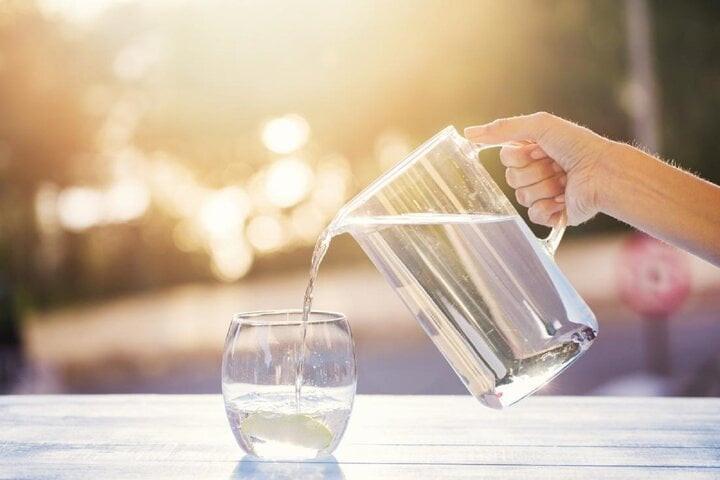
Yes — boiled water is safe to drink in Vietnam. Bring the tap water to a full, rolling boil for about one minute, then let it cool: this is the everyday đun sôi để nguội method locals rely on. It kills the germs that cause stomach bugs, making the water perfectly safe for daily use. Just remember that boiling handles bacteria, but it does not remove chemicals or heavy metals from the supply.
By the go-danang team. Last updated July 2026.
For bottled water prices, ice safety, and tooth-brushing tips, read our main guide: Should You Drink Tap Water in Vietnam?. This article focuses specifically on boiling tap water and how locals handle their daily drinking supply.
Boiling is a highly reliable way to make water safe. It helps to know exactly what it fixes and what it leaves behind.
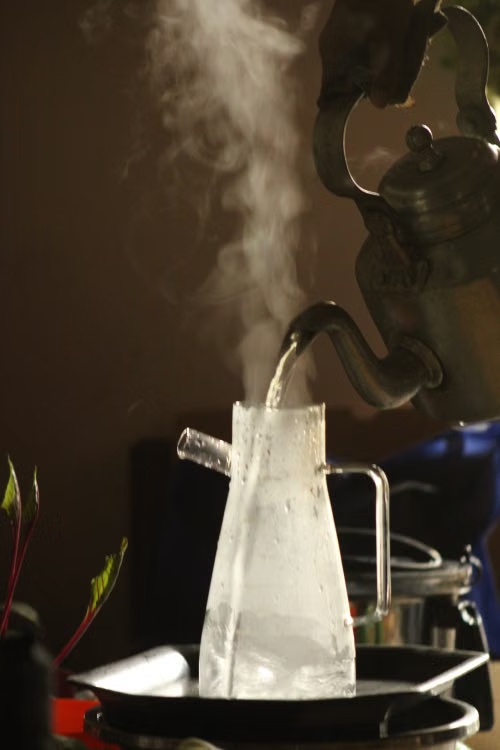 Water at a rolling boil — one minute at a full boil is enough to kill waterborne germs.
What boiling does: Heat kills the bacteria like E. coli, viruses, and parasites that make you sick. In Vietnam, the germ risk usually comes from old pipes, rooftop storage tanks, and building plumbing rather than the treatment plant itself. Boiling eliminates this risk completely.
What boiling doesn't do: It cannot remove chemicals, industrial pollutants, or heavy metals like arsenic or lead. It also leaves behind sediment and dirt. Since water evaporates during a long boil, dissolved metals can actually become slightly more concentrated.
For a treated city supply like Da Nang's, microbes are the main everyday risk. Boiling removes that risk. If you worry about metals or taste, you need a filter.
Bring the water to a full, rolling boil with large bubbles breaking the surface. Keep it boiling for about one minute. At Da Nang's sea-level altitude, one minute is plenty.
You might hear advice to boil water for three minutes at altitudes above 2,000 metres. That rule does not apply in coastal Da Nang.
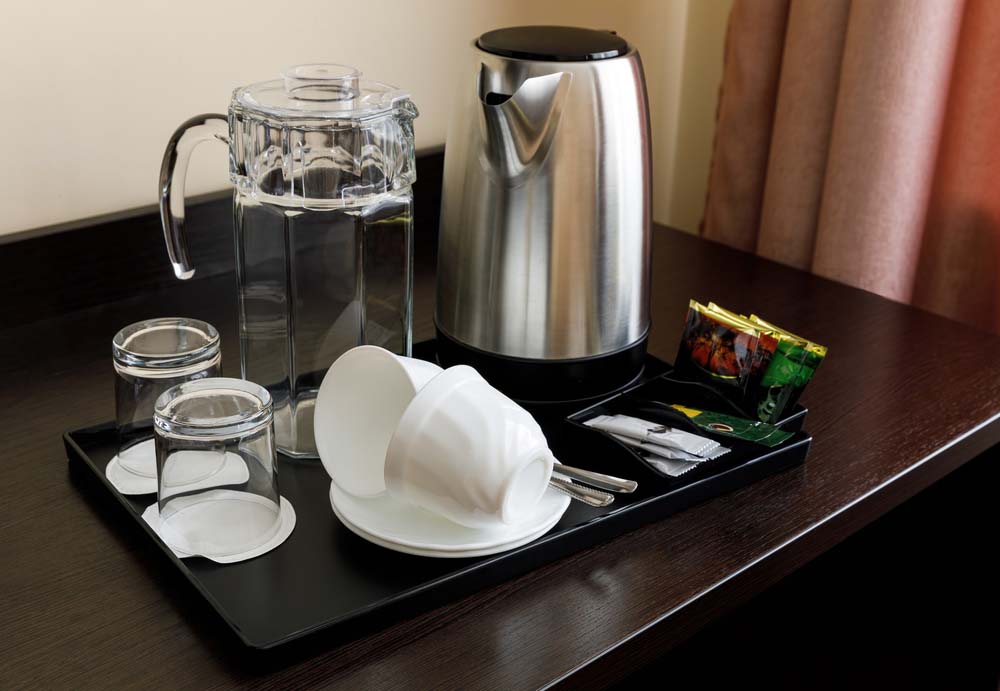 An electric kettle on a hotel counter, standard in Vietnamese hotels and apartments for boiling drinking water.
After boiling, let the water cool. Store it in a clean kettle, thermos, or bottle and drink it within a day or two. You do not need to re-boil it. Once boiled and stored cleanly, it stays safe. Almost every hotel room and apartment in Vietnam provides an electric kettle for this exact purpose.
The phrase đun sôi để nguội translates to "boil, then leave to cool." This describes the everyday drinking water in most Vietnamese homes.
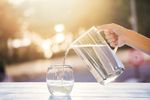
 A glass of cooled boiled water — đun sôi để nguội, the everyday drinking water in Vietnamese homes.
Walk into a family kitchen and you will usually see a kettle or a large thermos of cooled boiled water on the counter. Grandparents, parents, and kids all drink it. It is the normal, trusted default across generations. When someone offers you a glass of plain water in a Vietnamese home, this is almost always what you get. Boiled tap water is what locals drink every single day.
Your choice depends on how long you plan to stay and how much effort you want to spend.
| Option | Cost | Kills germs? | Removes chemicals/metals? | Effort |
|---|---|---|---|---|
| Boiled | Cheapest | Yes | No | Needs a kettle + cooling time |
| Bottled | Small cost | Yes (sealed) | Usually | Zero effort |
| Filter / RO jug | Upfront cost | Yes | Best for metals + taste | Set-up, then easy |
You can find bottled water prices and details on 20L delivery options in our tap water guide. To compare the monthly cost of bottled water against boiling or filtering, check our Da Nang cost of living guide.
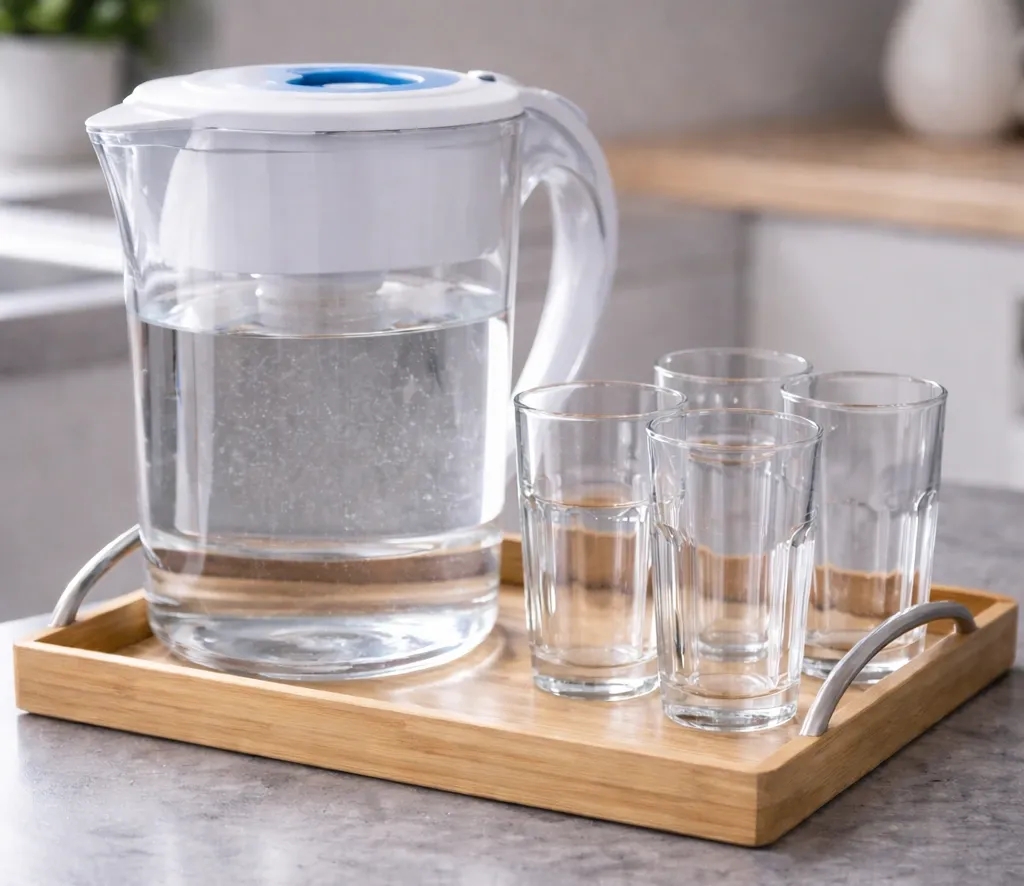
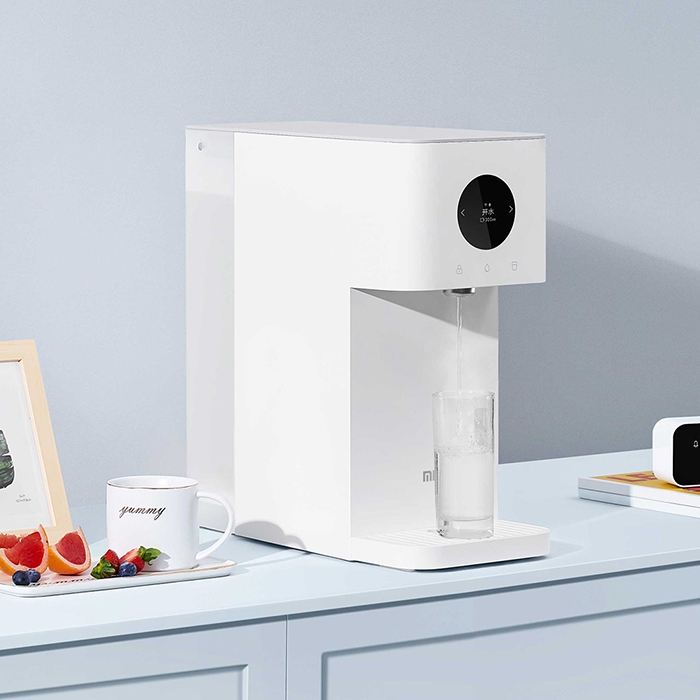 A countertop water filter jug — a step up from boiling for long-stayers who want to reduce chemicals and improve taste.
Even microbiologically safe water can upset a newcomer's stomach for the first few days. This usually happens because your body is adjusting to an unfamiliar mineral profile and harmless local microbes.
A mild upset stomach early in your trip is common and rarely means the water is bad. If you have a sensitive stomach, travel with young kids, or want zero risk, stick to bottled or filtered water at the start. You can ease into boiled tap water later.
Dawaco treats Da Nang's tap water at the Cầu Đỏ plant, which draws from the Cầu Đỏ intake on the Cẩm Lệ River. This is a relatively modern and reliable city supply. Boiled tap water here is a sound everyday choice.
During the dry, low-flow season — typically around March to August — saltwater can push up the river and make the tap water taste slightly salty. Boiling will not remove salt. This affects the taste but does not impact safety. Many locals keep bottled water on hand during these months, even if they drink boiled water the rest of the year.
How long do I need to boil water? Bring it to a full, rolling boil for about one minute at Da Nang's sea-level altitude. Boiling longer just wastes gas or electricity.
Does boiling remove heavy metals or chemicals? No. Boiling kills germs but leaves metals, chemicals, and sediment behind. It can even concentrate dissolved metals slightly as water evaporates. You need a filter or RO system to remove those.
Is boiled water as safe as bottled? For germs, yes. Both are safe to drink. Sealed bottled water only has an edge if you worry about chemicals or taste, as good brands are filtered. Boiled tap water is perfectly fine for everyday drinking.
Can I drink boiled water left to cool overnight? Yes. Once boiled, cooled, and kept covered in a clean container, the water stays safe for a day or two. You do not need to re-boil it.
Is it safe to make tea, coffee, or baby formula with boiled tap water? It is absolutely safe for tea and coffee since you boil the water anyway. For infant formula, babies are much more sensitive. The WHO advises making up formula with previously boiled water cooled to no less than 70°C, which kills any Cronobacter and other bacteria in the powder itself. Many parents use bottled or filtered water for this, and you should always follow your pediatrician's and the formula tin's specific instructions.
Do I still need bottled water if I boil? You do not need it for safety. You might want some for convenience when you go out, or during Da Nang's salty dry-season months when boiled tap water tastes slightly off.
Boiled tap water is safe to drink in Vietnam. It is exactly what locals drink daily. Boil the water for a minute, cool it, store it in a clean container, and you are good to go. Keep in mind that boiling handles germs, not chemicals or metals. If taste or long-term peace of mind matters, pick up a filter.
For more details on bottled prices, ice, brushing your teeth, and showering, read our full tap water in Vietnam guide. If you plan to stay a while, check out our guide to local tipping customs to help you settle in.

One local roundup a month — new guides, festival dates and where to eat. No spam.