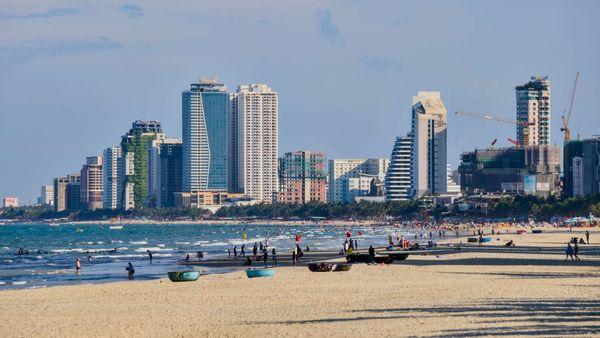
A practical 3-day Da Nang itinerary from a local — beaches, the Golden Bridge, Marble Mountains, the Dragon Bridge fire show, and a Hoi An day trip.

By the Go-Da-Nang local team · Last updated June 2026
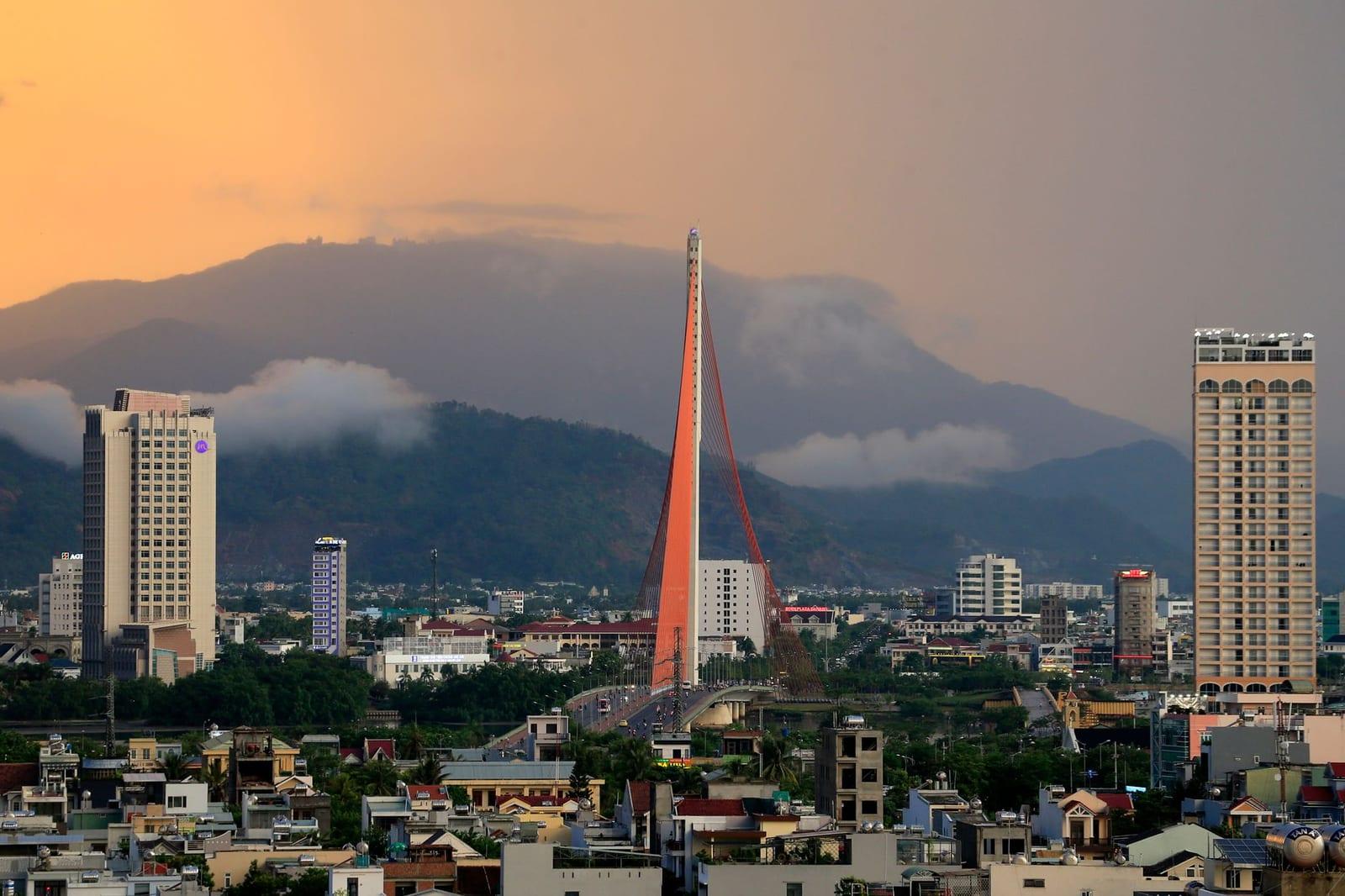
A great 3-day Da Nang itinerary balances the city's three strengths — beach, mountains, and food — without rushing. Day 1 is the city: sunrise at My Khe Beach, the Marble Mountains in the morning, and the Dragon Bridge fire show after dark. Day 2 is the big day trip to Ba Na Hills and the Golden Bridge (go early), with a relaxed beach evening. Day 3 is a half-day on the Son Tra Peninsula and the Lady Buddha, then an afternoon trip to Hoi An to catch the lanterns at dusk. This plan keeps travel times short (most sights are 15–40 minutes apart), mixes must-sees with downtime, and works year-round — just shift outdoor plans to the morning in the hot months. Below is the hour-by-hour version, with where to eat and how to get between stops. For the full list of options, see our guide to things to do in Da Nang.
Getting around: Grab is cheap for these hops; a rented motorbike gives you more freedom. See the best transport apps for Da Nang.
 The Golden Bridge at Ba Na Hills rising above the clouds
Short on time or crowd-averse? You can swap Ba Na Hills for the Son Tra Peninsula (Day 3's plan) and keep things calmer. Honest take on whether Ba Na is for you is in our things to do guide.
 Lanterns reflected on the river in Hoi An old town at dusk
It's one of Vietnam's better-value city breaks. Big variables are your hotel and whether you do Ba Na Hills, the one big-ticket item — the adult cable-car/entry ticket is around 1,000,000đ (~US$40) as of 2026. Street food and Grab rides are inexpensive; the beach is free. (We'll link a dedicated Da Nang budget guide here when it publishes.)
Is 3 days enough for Da Nang? Yes — it covers the highlights plus a Hoi An evening. Four days adds breathing room. Got a full week? Follow our 7-day Da Nang itinerary for a slower pace with a full Hoi An day trip and a flex day.
Can I do this without a motorbike? Completely — Grab covers every stop here.
Best time of year? February to May is ideal for this outdoor-heavy plan — warm, drier, and less crowded, with February–April the sweet spot. June–August is hot and busy; the rainy season runs roughly September–December (October–November are the wettest). For the full month-by-month breakdown, see our guide to the best time to visit Da Nang.
Next up: our standalone guides to Da Nang's beaches, what to eat, and getting to Hoi An — we'll link them here as they publish.

One local roundup a month — new guides, festival dates and where to eat. No spam.