Bánh mì que is Da Nang's crispy, finger-sized bánh mì stick. What it is, the pâté and chili inside, prices, how to order, and where to eat it.

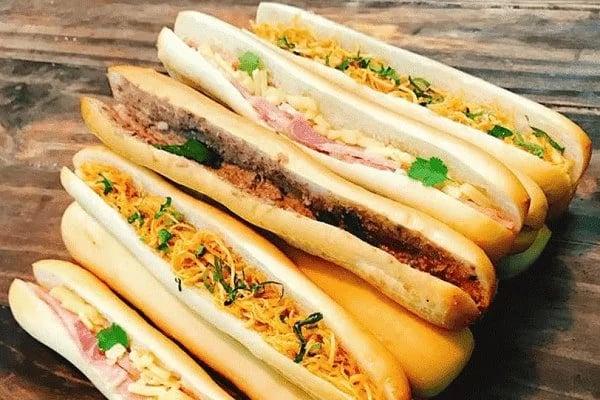
Bánh mì que is the skinny, finger-sized cousin of the famous Vietnamese baguette, stuffed with rich liver pâté and a hit of chili. It is one of the cheapest and most addictive street snacks in Da Nang, where you order them by the handful.
By the Go Da Nang local team · Last updated June 2026
"Que" translates to stick in Vietnamese. That perfectly describes this snack. It is a bánh mì shrunk down to the length and width of a thick chopstick. You finish each one in just a few bites. You never order just one, you order three or five at a time.
Here is how it differs from the regular bánh mì:
You will also hear locals call it bánh mì cay, which means spicy. Both names refer to the same thin, chili-spiked stick. The name bánh mì cay highlights the heat, while bánh mì que highlights the shape.
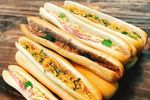
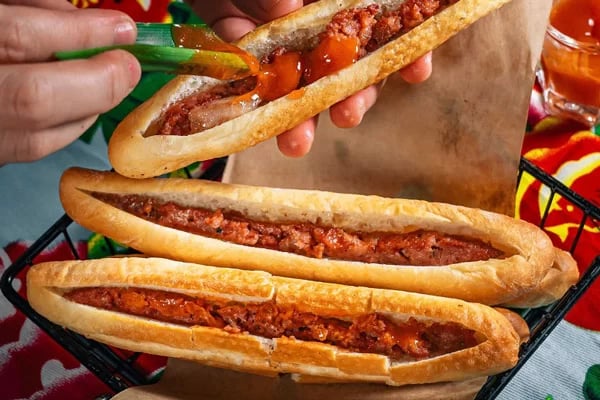 Crispy bánh mì que sticks with chili sauce added, served fresh from the stall.
You might assume this is a local specialty, but bánh mì que actually started in Hải Phòng. It is a famous street snack in that northern port city, where it took off in the 1980s and locals know it as bánh mì cay. People up north also call it "bánh mì pate cột đèn" (lamp-post pâté bánh mì), named after the Cột Đèn (Lamp Post) area of Hải Phòng where the original pâté shop stood.
The snack eventually spread south across Vietnam. Da Nang adopted it completely. Today you will find bánh mì que stalls all over the city. Some are run by Hải Phòng natives, while others are run by locals who just love the format. You are eating a northern street snack that found a very happy second home on the central coast.
The appeal of bánh mì que is its simplicity. You will not find a heavy pile of cold cuts here. The sandwich relies on two main ingredients:
That is the classic northern recipe. In Da Nang, stalls often dress the stick up a little more. Depending on the vendor, you might also get chà bông (pork floss), a swipe of butter, a few herbs, a little pickled papaya, or even a melted-cheese version.
The vendor toasts or warms the whole thing so the baguette shatters when you bite into it. If you like the savory, peppery side of Vietnamese snacks, you will also enjoy Da Nang's chả bò, the peppery beef sausage locals take home.
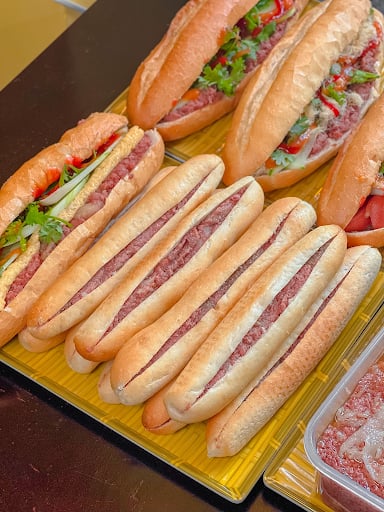 Trays of thin bánh mì que sticks filled with rich pâté and chili.
It ranges from a gentle warmth to a sharp kick. It all depends on the stall and how heavy-handed they are with the chili sauce. Since "cay" literally means spicy, the default version assumes you like some heat. Most vendors will happily adjust the spice level if you ask.
If you have a sensitive palate, just use these phrases:
If you are unsure, start with ít cay. The rich pâté flavor still shines through perfectly.
Bánh mì que is incredibly cheap. Vendors sell it by the piece, usually for around 7,000 to 15,000đ per stick (roughly 30 to 60 US cents) as of June 2026. Plain pâté sticks sit at the low end; loaded versions with cheese, pork floss, or cold cuts cost a little more.
Because each stick is small, the standard move is to buy a few at a time. Two or three make a snack, while four or five make a light meal — and even that costs about the same as one regular bánh mì. It is a rare street food where you can fill up using just the spare change in your pocket.
Bring small cash notes. These are tiny sidewalk stalls that do not take cards. Handing over a 500,000đ bill for a 30,000đ order will cause a headache for everyone.
Ordering is very simple. You buy by the stick, tell them how many you want, and eat them while they are hot. Pointing works perfectly fine, but these phrases help:
A few local habits to keep in mind:
You will spot bánh mì que at small stalls all over the city. The best one is usually just the freshest, busiest cart near you. The spots below are solid starting points. Always check the address and hours before you make a trip, as small street stalls change locations frequently.
Tứ Hải is probably the most famous bánh mì que name in Da Nang, with several small branches around the city (Tôn Đản and Lê Văn Hiến among them). High turnover means fresh, crisp sticks, and most outlets are grab-and-go.
A handy stall over on the beach side near My Khe, useful if you are staying in the An Thượng / beach area and want a late-night or early-morning snack — it keeps unusually long hours.
A long-running central stall on Núi Thành that locals rate for cheap, consistent sticks. It is also one of the few places that makes a chay (vegetarian) version with fried tofu instead of pâté.
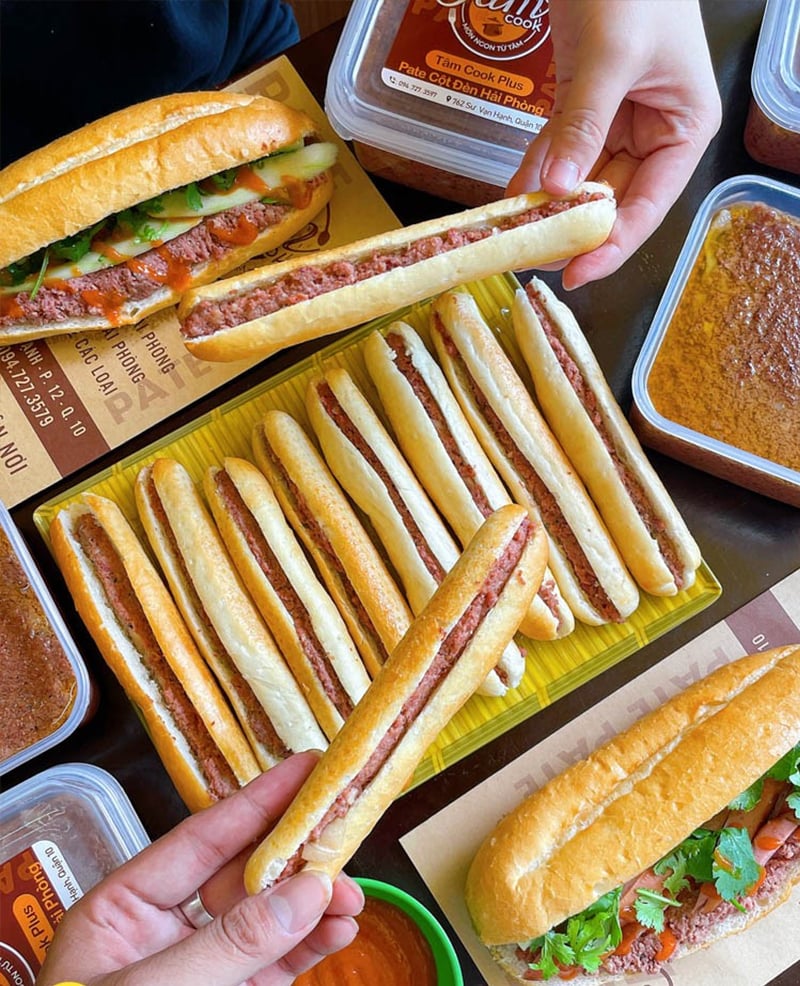 Bánh mì que sticks served fresh with dipping sauces at a Da Nang stall.
Yes. This is one of the safest and lowest-risk cheap snacks you can try in Da Nang. It is cooked, incredibly cheap, and small enough to sample without ruining your appetite for dinner. A busy stall also guarantees fast turnover and fresh bread.
A few honest caveats:
If you want to see where this little stick fits among the city's bigger food hits, our local's honest guide to what to eat in Da Nang maps out the whole spread. If you have already worked through the full-sized sandwiches in our bánh mì only found in Da Nang roundup, treat bánh mì que as the snack-sized companion to those meals.
What is the difference between bánh mì que and bánh mì cay? In practice, they are the same thing. Both names refer to the thin, finger-sized baguette filled with pâté and chili. "Bánh mì que" emphasizes the stick shape, while "bánh mì cay" emphasizes the spicy chili. You will see both names used interchangeably.
How spicy is it? Can I order it mild? It ranges from mild to genuinely spicy depending on the stall. You can easily order it mild by saying "ít cay" (a little spicy) or "không cay" (no chili).
How much does a bánh mì que cost, and how many should I order? They cost around 7,000 to 15,000đ per stick as of June 2026. A normal order is a few sticks — two or three for a snack, four or five for a light meal. That still costs about the same as one regular bánh mì.
Is bánh mì que from Da Nang or Hải Phòng? It originated in Hải Phòng in the north, where locals call it bánh mì cay. Da Nang adopted and popularized the snack, but the city did not invent it.
Is bánh mì que vegetarian? No. It is a meat-based snack built around liver pâté. There is no standard vegetarian version.
Where can I find it near My Khe or the city center? Plenty of stalls cluster in the central Hải Châu district — Ba Duy on Núi Thành and the Tứ Hải branches are easy central options. On the beach side near My Khe, Ông Trinh on Đường Lăng Ông is a reliable late-hours pick. As a rule, just look for a basket of skinny baguettes and a line of locals.
Bánh mì que is the kind of cheap, honest snack that makes Da Nang street food so enjoyable. You get a few crispy sticks of pâté and chili for the spare change in your pocket. Buy three to five, eat them while they crunch, and remember to carry small notes.

One local roundup a month — new guides, festival dates and where to eat. No spam.