Sick in Da Nang? Here's the real step-by-step on seeing a doctor as a foreigner — where to go, what to bring, and how a Vietnamese clinic actually works.

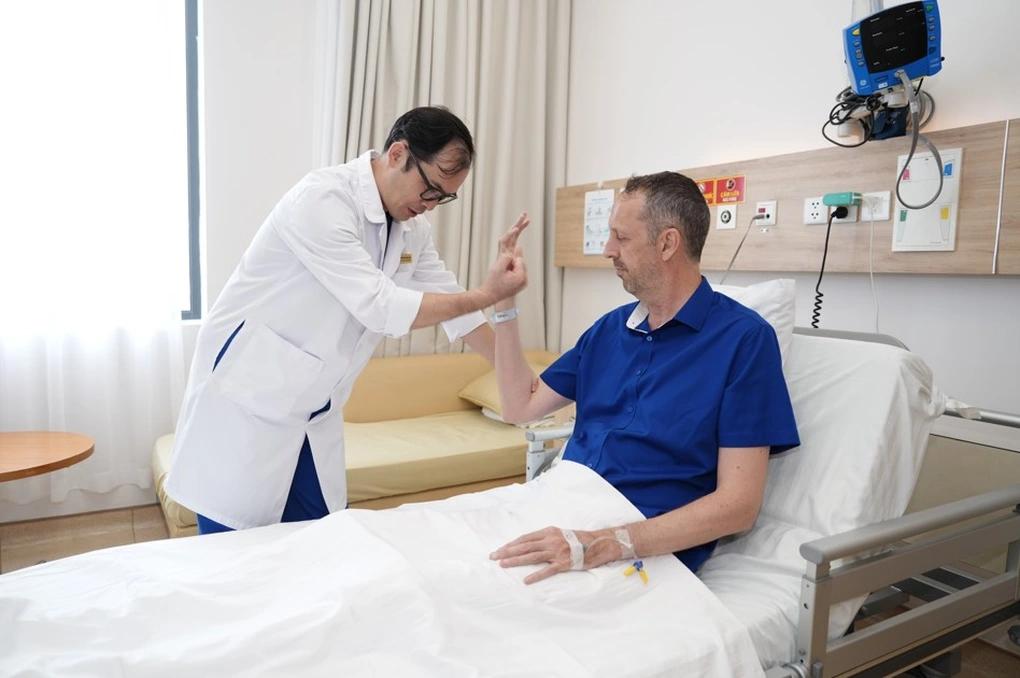
Woke up sick and want to actually see a doctor today? Good news: in Da Nang you usually can — same day, no GP referral, no week-long wait. Walk into the right place and you can be in front of a doctor within an hour or two. The catch is that the process works a little differently from what you're used to back home, especially at public hospitals, where you pay before you see the doctor. This guide walks you through exactly what to do, step by step, so you're not standing in a lobby guessing which counter to approach.
By the Go Da Nang team — Last updated June 2026.
If you only read one thing, read this:
Now the detail.
You have more options than you think, and finding one takes minutes.
Google Maps is your fastest tool. Search "international clinic Da Nang", "phòng khám" (clinic) or "bệnh viện" (hospital). Open the listing, read the recent English reviews — they'll tell you fast whether foreigners are looked after and whether staff speak English — and check it's actually open right now (hours on Google are often wrong, so call to confirm).
Ask your hotel or homestay reception. This is genuinely the easiest route if you're not feeling well. Front-desk staff know which nearby clinics handle foreigners, can phone ahead in Vietnamese, and will often write the address in Vietnamese for your Grab driver. Don't be shy about asking — they do this regularly.
Expat groups know the good ones. Search Facebook for "Da Nang Expats" or "Da Nang Hoi An Expats" and ask, or scroll — the question "where do you go for a doctor?" comes up constantly and the same one or two clinics get recommended. Some clinics also have a Zalo (Vietnam's main messaging app) you can message directly.
To filter for English: the words you want are "international" or "international clinic" in the name, reviews mentioning English-speaking doctors, and any clinic that markets to foreigners. As a rule, private and international clinics speak English; public hospitals are hit-and-miss — some Da Nang public hospitals run a dedicated foreigner/international service desk with interpreters, but don't count on the doctor in a general public clinic speaking much English.
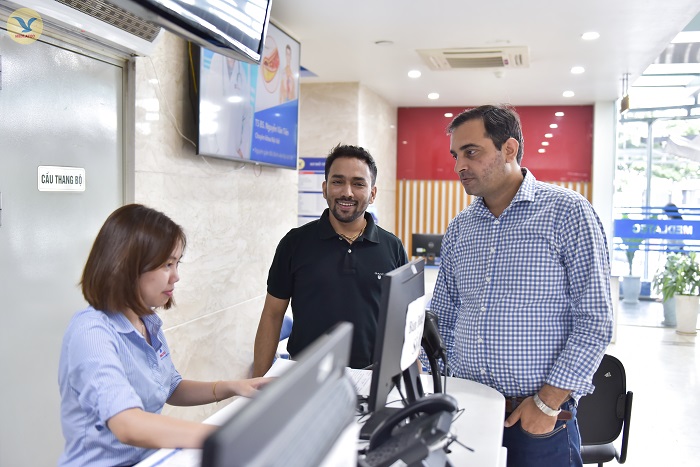 A patient checking in at the reception counter of a clinic in Da Nang
Both work. Which one depends on where you're going.
Private and international clinics: call, message on Zalo, or use their website. For a same-day, non-urgent problem you can usually get a slot within a few hours, and many take walk-ins too. Booking ahead means less waiting and they can line up an English-speaking doctor. If you've got their number, a quick call ("Do you have an appointment today? Do your doctors speak English?") saves you a wasted trip.
Public hospitals: for general outpatient visits most people just turn up and register on the spot — appointments aren't really the norm the way they are at private clinics. A few of the more foreigner-friendly hospitals (for example Hospital 199 and Family Hospital) do offer phone or online booking, but the big city general hospital is essentially walk-in.
Timing matters at public hospitals. Mornings — roughly the first couple of hours after opening — are the busiest, with locals queuing early. If your issue isn't urgent, going later in the morning or in the afternoon often means a shorter wait. Private clinics are calmer throughout the day.
One honest note: a minor problem (a cold, a mild stomach bug, a small cut) does not need a public hospital emergency department. Those are for genuine emergencies and you'll wait a long time behind serious cases. For everyday illness, a private clinic or a regular outpatient visit is faster and far less stressful.
Pack these before you leave. It saves real hassle.
This is the part that surprises first-timers, because a Vietnamese public hospital runs in a different order from a Western one. Here's the real flow for each type of place.
Almost every foreigner uses khám dịch vụ — the paid service examination — because you don't have Vietnamese state health insurance (BHYT), so you self-pay. Here's the sequence you'll move through:
It's more counter-to-counter shuffling than you're used to, but the logic is simple: pay, then receive the service, every step. When in doubt, show your slip to a staff member and they'll point you to the next counter.
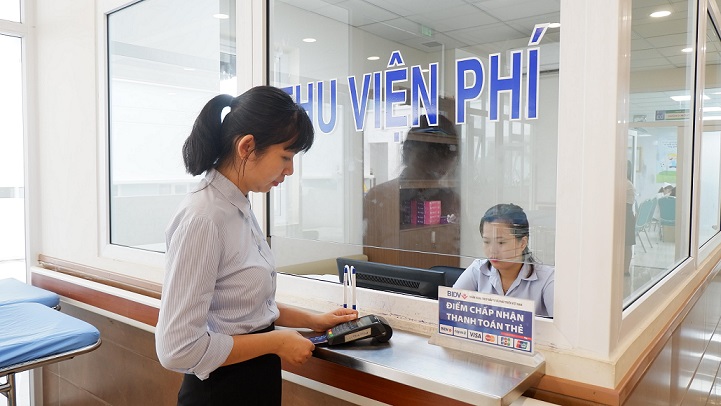 A hospital cashier and registration counter where patients pay before seeing the doctor
This will feel much more familiar:
The trade-off is straightforward: the private route costs more but is faster, smoother and English-friendly; the public route is cheaper but slower and more DIY. Pick based on how you feel and what your problem is.
You can absolutely manage with no Vietnamese — thousands of visitors do. A few tactics make it easy:
At an international clinic, English is the norm and you may not need any of this. At a public hospital, English varies — check whether they have an interpreter or foreigner service desk, and lean on your translation app.
Two quick but important things before you walk out the door.
Get your medicine. Take the prescription to the in-hospital pharmacy or a regular pharmacy — they're on nearly every street in Da Nang. Hand over the prescription (or a photo of it) and the pharmacist will dispense it. Double-check the active ingredient matches what you were prescribed.
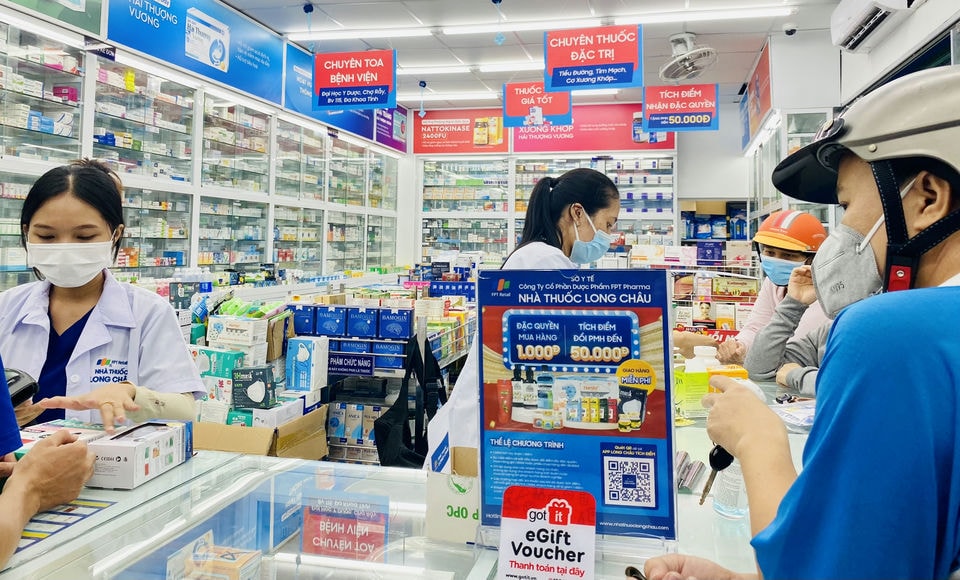 Customers buying medicine at a pharmacy counter in Da Nang
Always ask for an itemised invoice and a copy of your medical report and test results. Even if you don't think you'll claim, get them — most travel insurers require an itemised bill plus the doctor's report to reimburse you, and it's far easier to ask at the counter now than to chase the paperwork from another country later. If anything's in Vietnamese only, ask whether an English summary is available. (The full how-to on insurance claims is its own topic — see the insurance spoke, coming soon.)
Rough expectations only — every figure here changes, so treat them as ballpark, not gospel:
The short version: public is cheaper but slower and more hands-on; private costs more but is fast and English-friendly.
Can I just walk into a hospital or clinic? Yes. Public hospitals you typically walk in and register on the spot. Private and international clinics take walk-ins too, though calling ahead gets you a faster, English-speaking slot.
Do I need an appointment? No, not for public hospitals (you register on arrival). For private/international clinics an appointment is nice-to-have but not required — same-day slots are usually available.
Do I need a referral to see a specialist? Generally no. On the self-pay route you can book or request a specialist directly — at both private clinics and public hospitals' on-demand service line — and you don't need a GP referral the way you might at home. A referral letter (giấy chuyển viện) only matters for Vietnamese state health-insurance (BHYT) reimbursement, which doesn't apply to you as a foreigner paying out of pocket.
Is English spoken? At international and private clinics, yes, reliably. At public hospitals it's inconsistent — some have a foreigner service desk with interpreters, but bring a translation app to be safe.
Do I pay before or after? At public hospitals, before — you pay the registration and consultation fee upfront, and pay for any tests before having them done. At private/international clinics, after the consultation, often by card or direct insurance billing.
Do I need Vietnamese health insurance (BHYT) to be seen? No. As a foreigner you almost certainly won't have BHYT (the Vietnamese state scheme), so you'll use khám dịch vụ — the self-pay service route — at either type of facility. Your travel or international health insurance is what covers the cost (via reimbursement, or direct billing where available).
This is the how-to for the actual visit. For the full picture — choosing hospitals, emergencies, pharmacies, dental, kids' care and insurance — see our Healthcare in Da Nang for Foreigners guide (coming soon). Two related spokes, using pharmacies in Da Nang and travel insurance claims in Vietnam, are also coming soon. For everyday budgeting while you're here, our cost of living in Da Nang guide is worth a read, and if you're wondering about staying hydrated, see our guide on drinking tap water in Vietnam.

One local roundup a month — new guides, festival dates and where to eat. No spam.