Public or private hospital in Da Nang? A foreigner's honest guide to cost, wait times, English-speaking doctors, insurance and emergencies.

Getting sick in Da Nang leaves you with two main choices: a budget-friendly public hospital or a faster, English-speaking private clinic. Since foreigners pay out of pocket either way, your decision comes down to cost, wait times, and the severity of your illness. Private care is best for minor bugs, while public hospitals handle major emergencies and trauma.
By the Go Da Nang local team · Last updated June 2026
In a true emergency, call 115 for an ambulance or go straight to the nearest hospital emergency room. You can also reach the police at 113 and the fire department at 114. Operators answer in Vietnamese, so have a Vietnamese speaker make the call if possible, or use a translation app to share your location. This guide offers practical local advice, not medical instruction. When in doubt, dial 115.
Da Nang offers solid medical care for a mid-size Vietnamese city. The system just operates a bit differently than what you might expect back home.
You pay out of pocket. Vietnam's public health insurance (BHYT) covers local residents. As a tourist or short-term visitor, you pay full price for your care. Foreigners on a Vietnamese labor contract of 12 months or more are enrolled in BHYT, but it mainly applies in the public system and rarely covers private or international hospitals — so most travelers and expats rely on private health or travel insurance.
The two-tier system. Public hospitals are cheap, busy, and equipped for serious trauma, but English is rare. Private hospitals and international clinics cost more but offer fast service, comfortable rooms, and English-speaking doctors.
Expect to pay upfront. Public hospitals usually require a deposit or full payment before you leave. You then claim this back from your insurance provider later. Always bring cash or a card and ask for an itemized receipt. For more on managing your money here, read our guide to budgeting for life in Da Nang.
When you need to leave Da Nang. Da Nang handles most illnesses and injuries perfectly well. For complex surgeries or highly specialized treatments, expats and insurers often transfer patients to top-tier facilities in Ho Chi Minh City, Hanoi, Bangkok, or Singapore. This is standard practice in Southeast Asia. Check your policy for medical evacuation coverage before your trip.
State-run public hospitals process thousands of patients daily. They are highly affordable but notoriously crowded.
Public hospitals are the cheapest option in the city. A basic consultation costs a fraction of the private rate. Even when paying full price out of pocket, this is the budget-friendly choice for non-urgent issues. Always confirm the price upfront and save your receipts.
You pay for low prices with your time. Public hospitals get incredibly busy, especially early in the morning. Expect to take a number, wait in long lines, and shuffle between different desks. Arrive early and bring water.
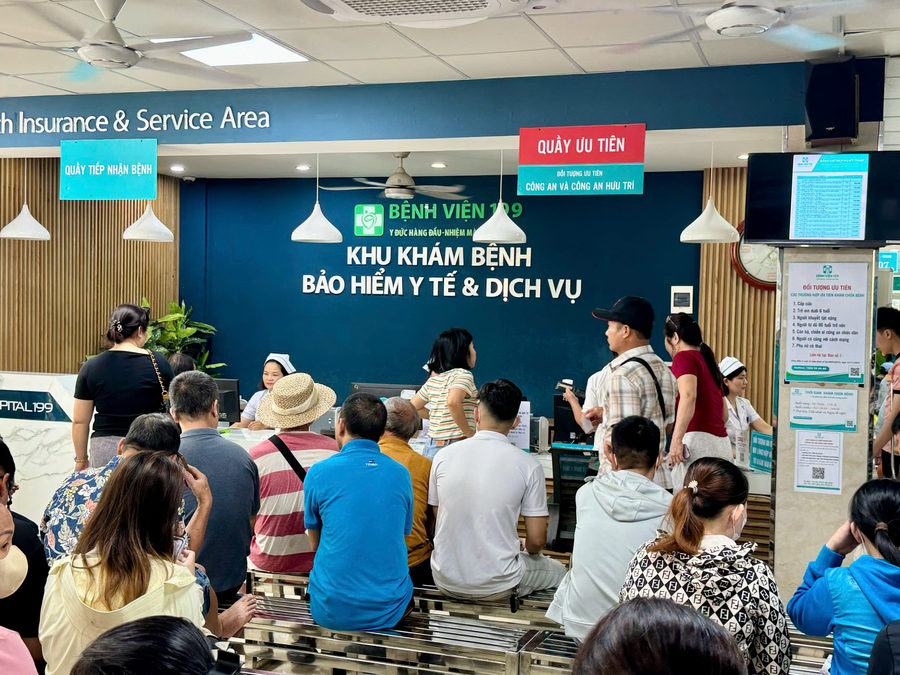 A crowded hospital waiting area — public hospitals are cheaper but busier
Language is the biggest barrier. While some younger doctors speak English, front-desk staff and nurses usually only speak Vietnamese. Bring a local friend, hire a translator, or rely heavily on a translation app. Write down your symptoms and current medications beforehand.
Crowded does not mean low quality. Da Nang’s public hospitals handle the region's most severe cases. They house highly experienced doctors and the best equipment for emergencies, trauma, and specialized care. In a life-threatening situation, a large public hospital is exactly where you want to be.
Private facilities charge higher rates in exchange for speed, comfort, and clear communication. For routine medical issues, this is the default choice for most travelers.
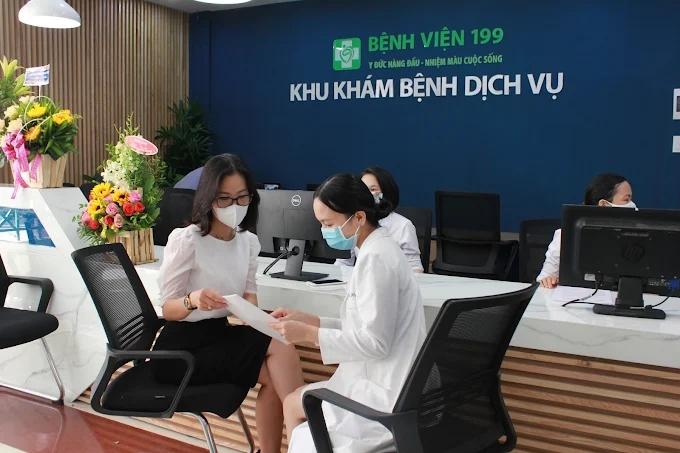
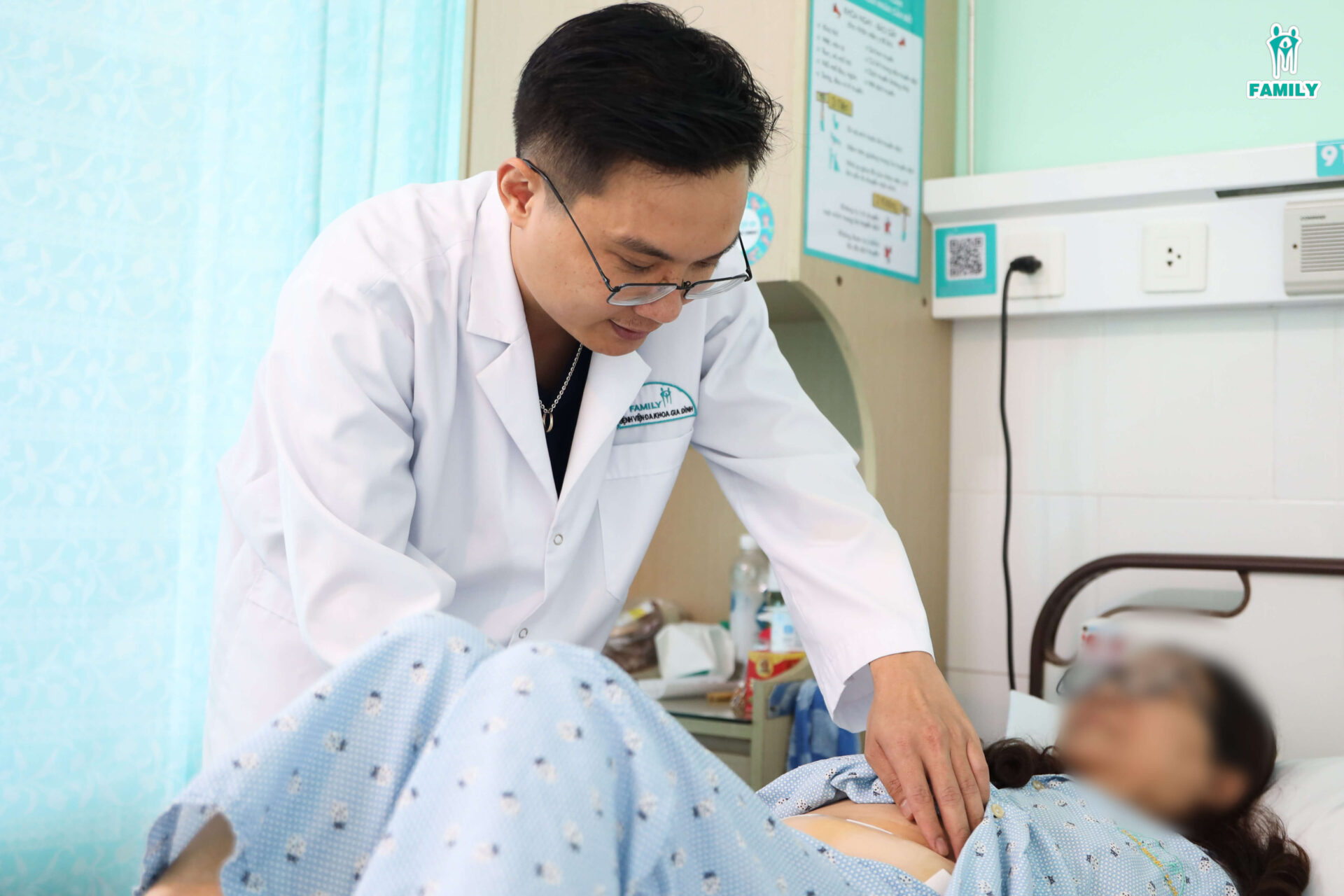
 A doctor consulting a patient — private clinics offer one-on-one, English-speaking care
You will pay significantly more here. A basic visit can cost several times the public rate, with international clinics charging the highest premiums. The trade-off is transparent pricing and zero hassle. This is where good travel insurance pays off.
Private clinics operate on appointments. You get seen quickly in a calm, quiet environment. If you are on a short vacation or working remotely, saving half a day is easily worth the extra cost.
Private hospitals and international clinics cater directly to foreigners. You will find English-speaking doctors, nurses, and receptionists. Explaining your symptoms clearly and understanding your diagnosis brings huge peace of mind when you feel awful.
These facilities feature modern equipment, private rooms, and staff trained to work with international patients. The care for routine illnesses is excellent. Just note that for highly complex cases, a private hospital might still refer you to a larger public center.
Use this quick comparison to weigh your options. Treat the cost column as a relative scale rather than exact pricing.
| Option | Cost | Wait time | English support | Best for | Insurance billing |
|---|---|---|---|---|---|
| Public hospital | Cheapest | Long, crowded | Limited | Tight budgets; serious emergencies & trauma | Usually pay first, claim back |
| Private hospital | Higher | Short, appointment-based | Good | Routine care, minor injuries, comfort | Some bill insurers directly |
| International clinic | Highest | Short, appointment-based | Best (English + more) | Clear English, travelers, families | Often bills major travel insurers directly |
These are the facilities most frequently recommended by Da Nang's expat community. This is a curated list, not a comprehensive directory. For more options, check our full directory of Da Nang hospitals for foreigners. Always verify addresses and opening hours before jumping in a taxi.
The city's primary public hospital and the top-tier referral center for central Vietnam. It features a massive 24/7 emergency department and handles the region's most serious medical cases.
A highly regarded central public hospital (under the Ministry of Health) right next door to Da Nang Hospital. Foreigners occasionally use it for general care.
A public hospital run by the Ministry of Public Security that is unusually foreigner-friendly: it has a dedicated health-check service for foreign nationals, with public-hospital pricing rather than private premiums. Its east-side location makes it the practical pick for expats living in Sơn Trà and Ngũ Hành Sơn, who would otherwise cross the river to reach the big central hospitals.
Beyond the general hospitals, the city runs dedicated public specialty hospitals under the Da Nang Department of Health. This is where you'll be referred — or want to go directly — for deep, specialist care. English is limited, so bring a translator, but the expertise and equipment for these fields are the best in the region.
A large private hospital favored by expats, run by Vietnam's biggest private hospital group. It offers shorter waits, more comfort, and an international-patient department.
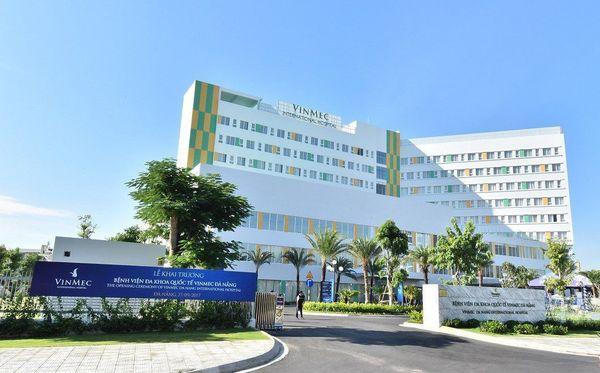
A premium private international hospital (opened 2017) known for modern facilities and strong English-language, international-patient services.
The go-to English-language expat clinic in Da Nang — GP visits, vaccinations, travel medicine, in-house pharmacy and lab, plus a 24/7 emergency line and direct insurance billing.
How you pay dictates where you can easily go. Here are the three standard scenarios.
Travel insurance. Every short-term visitor needs this. A solid policy covers emergencies, hospital admissions, and medical evacuation. Read your policy documents, keep the emergency hotline saved, and check if your provider pays hospitals directly or requires you to pay first and claim the money back later.
Expat health insurance. Long-term residents usually buy dedicated international or local health plans. Private hospitals and international clinics readily accept these. Many facilities can bill your insurer directly, saving you from fronting a massive bill. Ask your provider which Da Nang hospitals offer direct billing.
Paying cash. If you lack insurance, you cover the bill yourself. Public hospitals keep minor treatments very affordable. A serious stay in a private hospital will drain your bank account quickly.
Keep these practical habits in mind:
Tipping is never expected for medical care in Vietnam. If you want to know where tipping actually applies, read our guide to tipping norms in Vietnam.
In a real emergency, your only goal is getting the patient to an emergency room safely and quickly.
Save these numbers. Have a local speak to the operator if possible, or use a translation app to provide your exact address and a nearby landmark.
Public ambulances in Da Nang can be slow, and the paramedics rarely speak English. For urgent but non-life-threatening situations, expats usually find that booking a Grab car or a taxi straight to the ER is much faster than waiting for an ambulance. Use common sense. If the patient has a suspected spinal injury or needs immediate life support, do not move them. Call 115 and wait.
For major trauma, go straight to a large public hospital with a comprehensive emergency department, like Da Nang Hospital. For urgent issues requiring speed and English, a private hospital ER like Hoan My Da Nang works well. Locate your nearest 24-hour ER before you actually need it.
You do not need a hospital for everyday bugs. Pharmacies (nhà thuốc) are scattered all over Da Nang. They stay open late and handle common ailments easily.
 A pharmacy stocked with medicine — many minor ailments don't need a hospital visit
Pharmacists here sell many medications over the counter that would require a prescription in your home country, and prices are remarkably low. Keep these tips in mind:
Tap water causes a lot of stomach issues for new arrivals. Read our guide on drinking tap water in Vietnam and stick to bottled or filtered water.
Here is exactly where to go based on your situation.
The golden rule: pharmacies for the small stuff, public ERs for major trauma, and always ask about transfers for complex surgeries.
Yes. You will easily find English-speaking doctors at international clinics and private hospitals. Public hospitals have very limited English, so you will need a translator or a local friend to help you communicate.
Pricing depends entirely on the facility. Public hospitals are the cheapest, private hospitals cost more, and international clinics charge the highest rates. Always confirm the consultation fee upfront and request an itemized receipt.
Yes. Foreigners pay out of pocket for all medical care. While treating a minor cold is cheap, a major surgery or medical evacuation will cost a fortune. Buy travel insurance for short trips and dedicated health insurance for long-term stays.
Dial 115 for an ambulance or medical emergency. Call 113 for the police and 114 for the fire department. Save these numbers now. Keep in mind that taking a Grab or taxi to the ER is often faster than waiting for a public ambulance.
It depends on your needs. Private hospitals win on speed, comfort, and English for routine care. Public hospitals win on cost and are the best choice for severe emergencies because they house the top trauma teams and heavy-duty equipment.
Yes, for minor issues. Da Nang has pharmacies everywhere, and pharmacists sell many drugs over the counter. However, you should see a doctor immediately for high fevers, breathing problems, deep cuts, or any severe symptoms.

One local roundup a month — new guides, festival dates and where to eat. No spam.