What tré Da Nang is, how it differs from Bình Định and Huế tré, what it costs, and where to buy the authentic guava-leaf version as a souvenir.
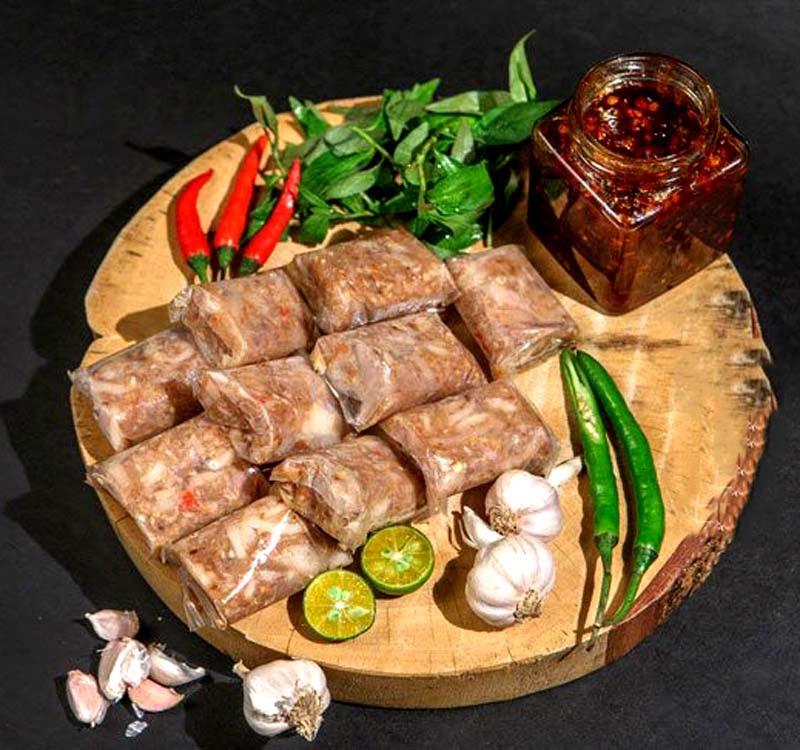
Tré is a lightly fermented pork snack from central Vietnam made of shredded pig ear, skin, and lean meat seasoned with galangal and toasted-rice powder. It delivers a faintly sour, deeply savory flavor with a surprising crunch. You will spot it around Da Nang wrapped in green banana leaves or packed in small tubs, ready to be eaten with a cold beer or taken home as a souvenir.
By the Go Da Nang local team · Last updated June 2026
Tré (pronounced "tray") is one of central Vietnam's oldest snack foods. Cooks shred and heavily season cooked pork, then leave it to ferment for a couple of days. This short ferment creates a gentle tang, making it the savory, crunchy cousin of a charcuterie board.
A good tré relies on a mix of pork cuts. You will commonly find:
The maker boils the cuts, slices them into thin strips, and tosses them with shredded galangal (riềng), garlic, toasted-rice powder (thính), black pepper, and fish sauce. The galangal and thính give tré its earthy, nutty aroma. The final flavor is faintly sour, garlicky, and deeply savory, with a distinct chew-and-crunch texture.
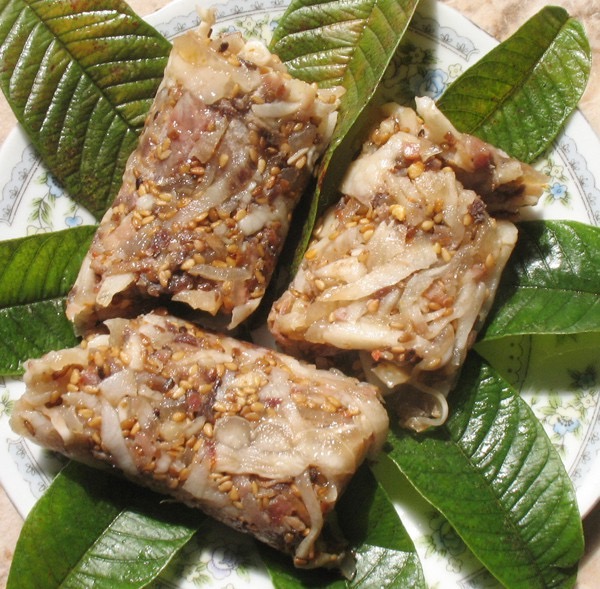 An opened tré log showing the loose nest of shredded pork, pork skin and galangal-flecked toasted-rice seasoning.
The traditional Da Nang and Quảng Nam version has a distinct look. Makers wrap the seasoned pork in a guava leaf (lá ổi) lining, followed by a green banana leaf on the outside. They roll it into a tight little log and tie it with string. The guava leaf is a local secret that lifts the aroma, adds to the texture, and acts as a mild antibacterial. The bundle then ferments for about 2 to 3 days before it is ready to eat.
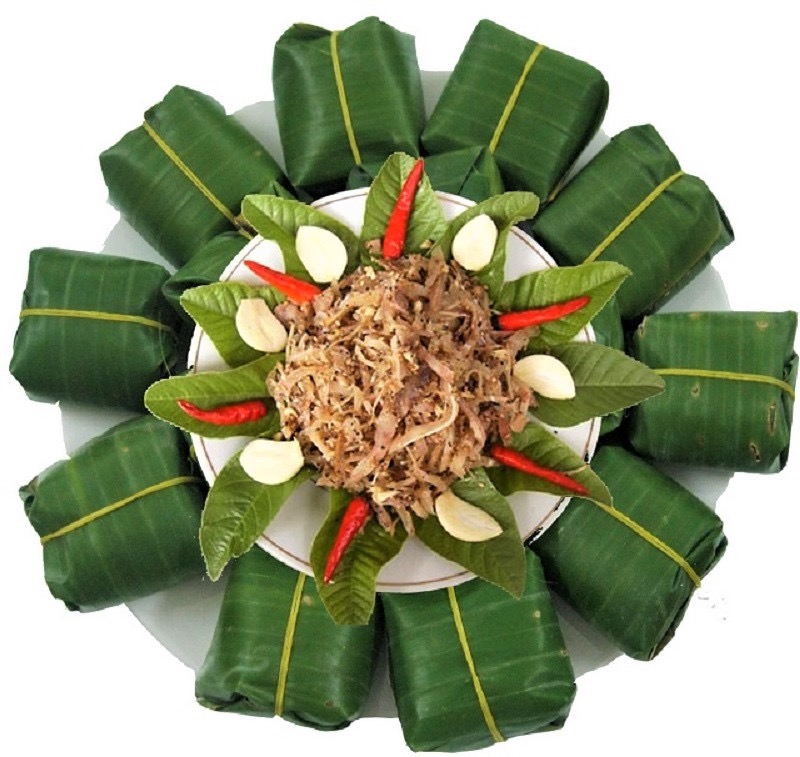 Da Nang tré wrapped in green banana leaf and tied into small logs, arranged around a serving of shredded tré.
A note for travelers: tubs and gift boxes are real tré. Modern Da Nang shops like Tré Bà Đệ sell tré in labeled plastic tubs (hũ nhựa), gift boxes, and vacuum-sealed packs alongside the classic leaf logs. These contain the exact same guava-leaf-fermented recipe. They are simply packaged for better hygiene, shelf life, and travel. If you want a souvenir to carry home, a tub or vacuum pack is usually the most practical choice.
These two foods get mixed up constantly on menus. They are completely different snacks.
If you want a crunchy, herby, galangal-forward snack, order tré. If you prefer a springy, sour, sausage-like pink block, order nem chua. Many shops sell both side by side so you can grab one of each to compare.
Tré belongs to central Vietnam. You will find it across a long stretch of coast covering Da Nang, Quảng Nam, Bình Định to the south, and Huế to the north. Each area has its own style. It is fairer to call tré a regional family of fermented-pork snacks rather than a single-city invention. They all share the same basic idea of cooked pork, galangal, toasted rice, a short ferment, and a leaf wrap.
In Da Nang, tré plays two main roles. First, it is a classic món nhậu. This is a snack you eat with cold beer or rice wine, pulling it apart at the table while talking with friends. Second, it is a popular Tết gift and edible souvenir. People bring packs of tré to relatives just like you might bring a box of nice chocolates. That gifting culture is why heritage shops invest in tidy boxes and vacuum packs. For a bigger picture of the city's eating culture, check out our full Da Nang food guide.
The easiest way to tell these regional styles apart is the wrapping.
If a shop hands you something that looks like a tiny straw broom, you are holding the Bình Định style. Da Nang tré is always the neat green leaf log.
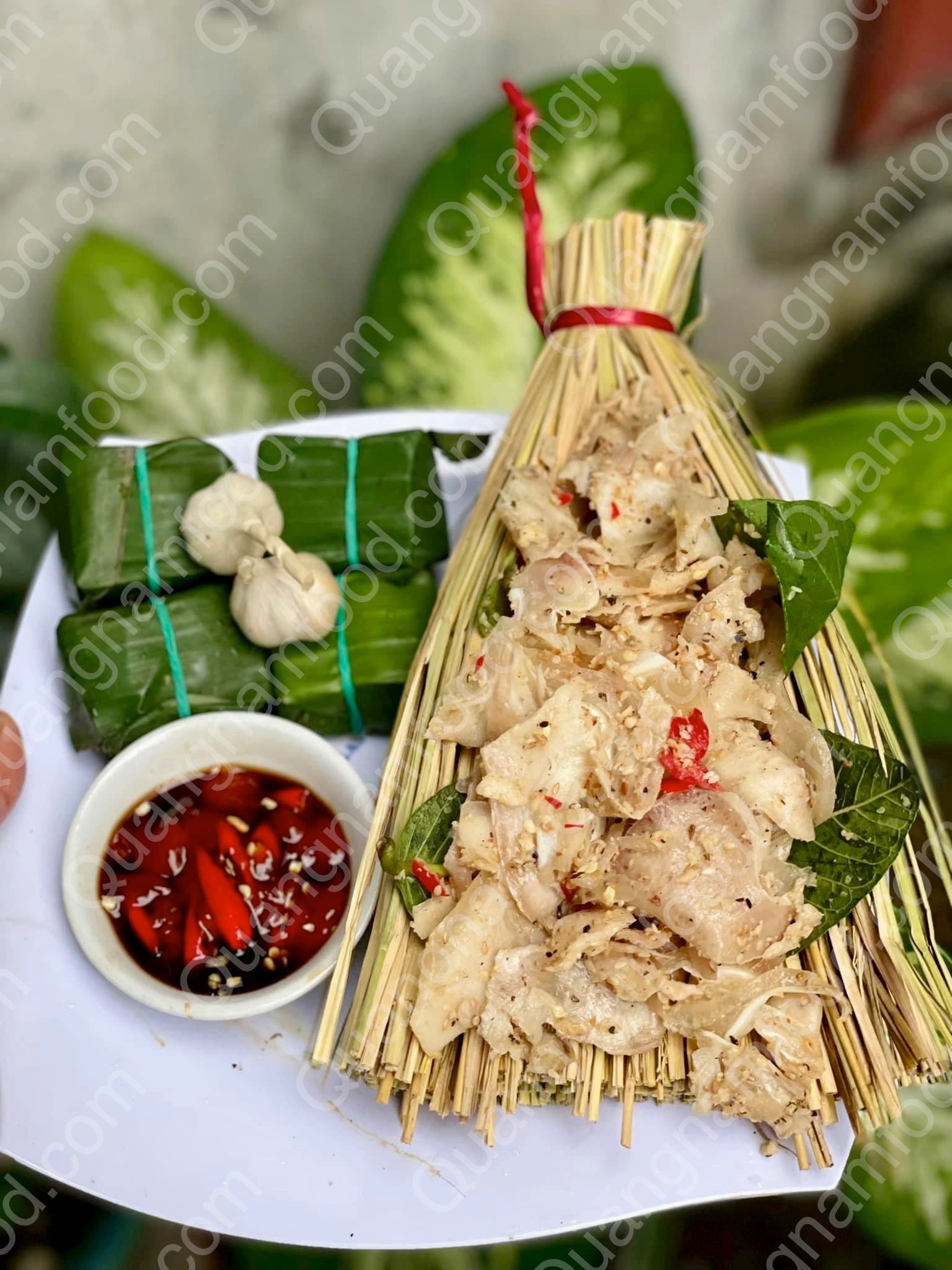 Bình Định tré bound in dried straw and tied broom-shaped — the regional tell, opened to show the shredded pork and served with a chili dip.
| Da Nang / Quảng Nam | Bình Định | Huế | |
|---|---|---|---|
| Wrapping | Banana leaf outside, guava leaf lining inside | Dried straw, bound broom-shaped (rơm) | Banana leaf outside, guava leaf inside; small, neat bundles |
| Cuts | Ear, snout, skin, some lean/belly | Similar mix; often a touch more skin/cartilage for crunch | Cut finer and a bit leaner |
| Texture | Crunchy, chewy, balanced | Crunchy, robust | Finer, more delicate |
| Galangal / spice | Clear galangal-and-thính flavor | Bold, garlicky | More galangal-forward, can be spicier |
| How it's eaten | Often straight from the leaf log as a snack or gift | Most famous as "tré trộn" (a tossed salad) | Often a party side dish with herbs and toasted rice paper |
Bình Định is the region most famous for tré trộn. This is a tossed-salad preparation mixed with shrimp, green mango, herbs, and rice crackers. Da Nang tré is more commonly eaten straight out of the leaf log as a snack or carried home as a gift, though you will still find tré trộn on plenty of local menus. Huế tends to slice the meat finer and lean heavier on the galangal.
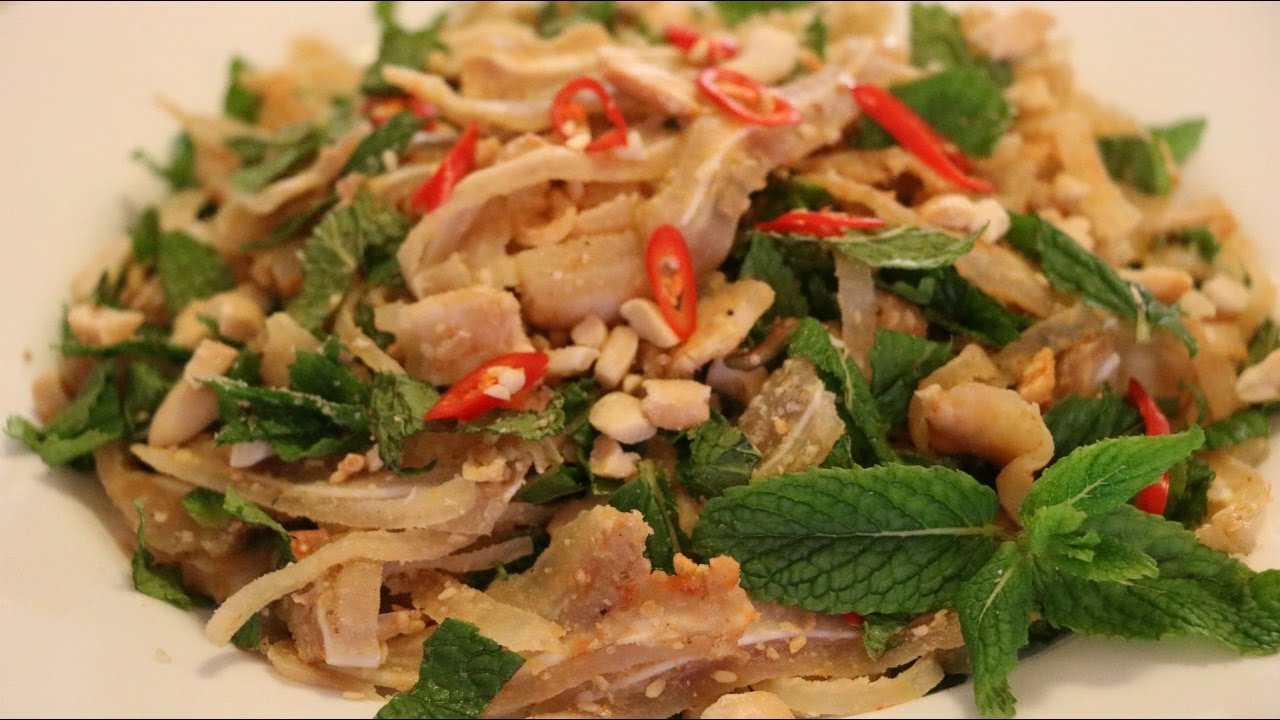 Tré trộn — shredded tré tossed with fresh herbs, chili and crushed peanuts.
One honest caveat is that these are general tendencies. Recipes travel, and quality varies widely depending on who makes it. Two shops in the same city can taste quite different. Use the table as a rough guide for what to expect.
Mostly yes, with one fair warning. The word "fermented" scares some visitors, but the meat in tré is cooked and cured first. It is never raw. The ferment is short and gentle, creating a mild funk and a light, refreshing sourness.
The real surprise for most newcomers is the texture. The crunchy bits of pig ear and skin are chewy and full of cartilage. If you are not used to it, the mouthfeel takes a second to process. The cuts are also organ-adjacent. Ear and snout are completely normal here, and they are a core part of what makes tré work. If that is a hard pass for you, you might want to skip this dish.
Spice is easy to control. The heat lives in the dipping sauce rather than the tré itself. Skip the chili dip and the pork is barely spicy at all.
On food safety: because tré is fermented, you should buy from a reputable, high-turnover maker rather than a random roadside cooler. Ask when it was made and check the eat-by window. Leaf logs are best within a few days, while tubs and vacuum packs keep longer. If you have a sensitive stomach, a sealed tub from a well-known shop is the safest first try.
Tré is a hands-on, social snack. Here is the local routine:
If you see tré trộn on a menu, order it. This must-try preparation tosses the tré into a fresh salad of herbs, green mango, garlic, chili, and crisp rice crackers for scooping. It pairs perfectly with cold beer.
A few phrases that help at the counter:
Tré is excellent alongside Da Nang's pork-and-herb rice rolls at a snacky dinner. It also travels well, making it an easy thing to pack for the trip home.
Shops sell tré by the log, the pack, or the tub. A single small leaf log is cheap, often only around 8,000 to 12,000đ, but you usually buy a whole pack, jar, or box of about ten. Expect roughly 85,000 to 120,000đ for a standard pack or a 500g tub at a heritage shop, and more for larger gift boxes. Prices change, so check at the counter (prices as of June 2026).
Most tré shops and market stalls are cash-friendly, so bring small notes. Heritage shops often vacuum-pack tré and some will ship it for you. This is handy if you want to send a box home or carry it on a flight. One thing we cannot promise is how customs will handle it. Airline carry-on, checked-luggage, and customs rules for vacuum-packed meat vary widely by airline and destination. Checked luggage is generally the safer bet, but check your own carrier and arrival country rules before you pack it.
Tré is a specialty-shop and market item. The spots below are in central Hải Châu, close to where most visitors stay. Double-check addresses and hours before you head over, as small shops change them often.
This is the name most associated with Da Nang tré, and the one locals reach for as a gift. Tré Bà Đệ sells tré alongside nem and chả bò (beef sausage). Importantly for travelers, it sells both the traditional leaf logs and modern plastic tubs, gift boxes, and vacuum packs. This makes it the easiest place to pick up a clean, travel-ready souvenir while still getting the real guava-leaf-fermented recipe. The same family also sells under the name Tré Ông Chánh, with a counter at Da Nang International Airport that is handy for a last-minute souvenir.
For a market option in the heart of downtown, check the dried-goods and specialty stalls inside Chợ Hàn. They carry tré, nem, and other central-Vietnam snacks. It is a convenient one-stop shop if you are already looking for souvenirs near the Hàn River. Buy from a busy stall with good turnover and ask when the tré was made.
Tré tells you exactly where you are: central Vietnam, where galangal, toasted rice, and a guava leaf turn humble pork into something worth gifting. Grab a leaf log to eat fresh with herbs and a cold beer, or a vacuum pack to carry home. When you are ready for more, pair it with Da Nang's pork-and-herb rice rolls or the fermented-anchovy bún bowl. Then, start planning the rest of your eating with our full Da Nang food guide.
One local roundup a month — new guides, festival dates and where to eat. No spam.