Xôi is Da Nang's cheap, filling sticky-rice breakfast. The types (gà, mặn, chiên), real VND prices, how to order, and where locals eat it.

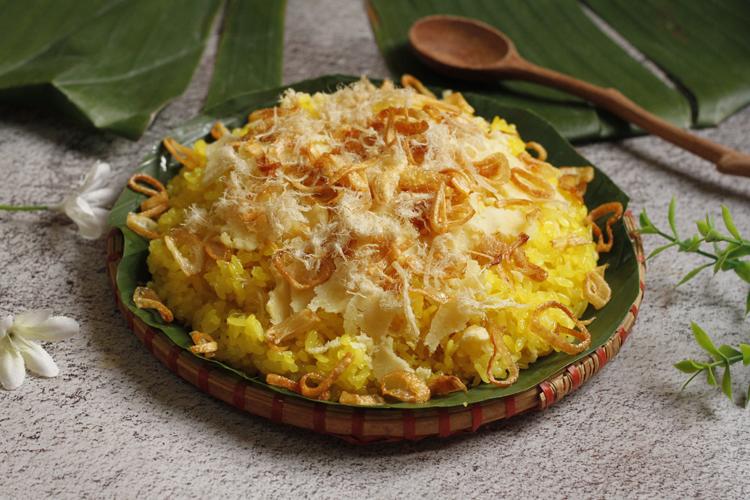
Xôi (pronounced "soy") is a warm, chewy portion of steamed sticky rice sold at morning street carts all over Da Nang. For less than a dollar, vendors scoop it into a banana leaf and pile it high with savory meats or sweet coconut. It is the ultimate local grab-and-go breakfast that keeps you full for hours.
By the Go Da Nang local team · Last updated June 2026
Xôi is made from gạo nếp, a glutinous rice soaked overnight and steamed until soft. This is a completely different grain from standard white rice. Vendors cook big batches before dawn, giving the rice a gentle, chewy texture that clumps together perfectly for eating on the move.
You will often see vibrant colors on the cart. Xôi gấc turns bright red-orange from gấc fruit, xôi lá dứa gets a green tint from pandan, and xôi đậu xanh is packed with soft mung beans. These colors come entirely from real ingredients steamed right into the pot.
Vendors sell it by the portion (phần). They scoop the warm rice onto a banana leaf or into a small foam box, add your chosen toppings, and wrap it up. You do not need a bowl or a table, which makes it the perfect quick breakfast.
Breakfast in Da Nang happens early. Locals stop at a neighborhood cart on their way to work, grab a warm box of xôi, and eat it at their desk or parked on their scooter. You will spot these carts setting up before sunrise on residential corners across the Hải Châu and Thanh Khê districts.
The dish splits into two main camps: xôi mặn (savory) and xôi ngọt (sweet). Here are the specific types you will find:
A standard portion is about 150 to 200 grams of rice. It fits in one hand but packs enough weight to keep you full until lunch. If you wake up extra hungry, just ask for a bigger scoop or extra toppings. The price barely changes.
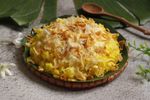
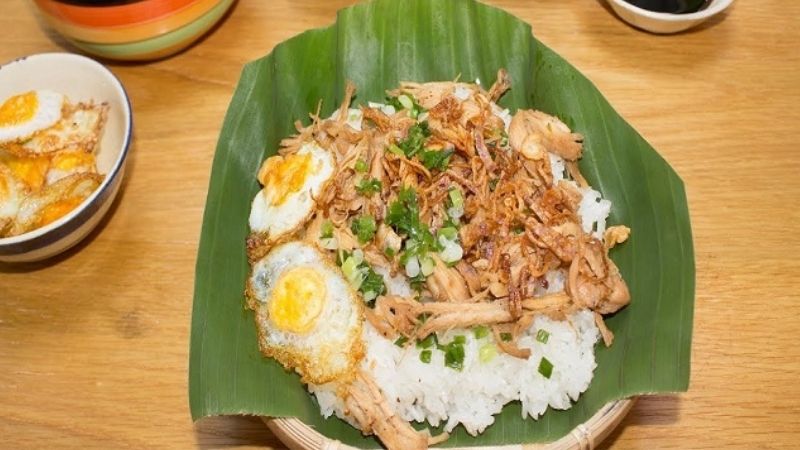 Xôi gà: sticky rice with shredded chicken and crispy fried shallots in a takeaway box
Start with xôi gà or a simple xôi mặn for your first time. Savory xôi feels like a proper breakfast with warm rice, protein, and crispy fried shallots. Most locals prefer this version on a workday, and it goes down easily if you normally avoid sweet morning meals.
Treat the sweet types as a mid-morning snack. A small box of xôi đậu xanh or fresh coconut xôi pairs perfectly with an iced Vietnamese coffee. Many carts sell both varieties from the same table. You can easily buy one of each for under a dollar and find your favorite.
Yes. Xôi is highly approachable. The flavor profile is mild and comforting, completely skipping the strong fermented notes found in some regional dishes. The only real surprise is the texture. The rice is dense and chewy. It feels completely different from a standard bowl of loose steamed rice.
If you are sensitive to spice, say "ít cay" (less spicy) to skip the chili oil. Savory portions often come with a small drizzle of chili that is easy to leave off. Vegetarians should stick to the sweet mung bean, peanut, or coconut options, since the savory carts rely heavily on pork and chicken.
Plain xôi is naturally gluten-free. However, shared utensils and toppings like pâté or soy sauce mean cross-contamination happens. If you have a peanut allergy, avoid xôi đậu phộng and tell the vendor "không đậu phộng" (no peanuts). Keep an eye out for stray peanut crumbs on the other sweet options.
A portion of xôi costs around 10,000 to 30,000 VND (roughly $0.40 to $1.20), as of June 2026. Plain and sweet portions sit at the low end of that scale. A fully loaded xôi thập cẩm with sausage, egg, and pâté hits the top price. Always bring small bills. Street carts do not take cards.
Locals treat xôi as a morning meal. Most carts open early and operate from roughly 6:00am to 9:00am. The most popular vendors pack up as soon as the commuter rush ends. A handful of shops open in the evening, but morning guarantees the freshest rice and the best topping selection. Arrive early if you want to visit a specific cart.
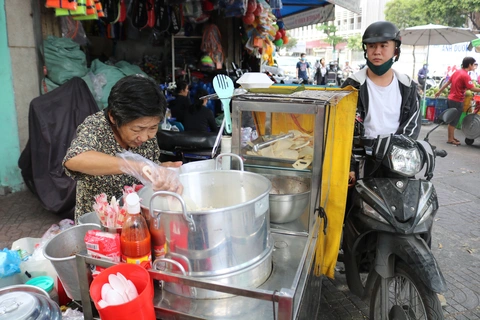 A street vendor serving breakfast from a roadside cart with steaming pots in Vietnam
Ordering is straightforward. The toppings sit in plain view, making pointing highly effective. If you want to use a little Vietnamese, try these phrases:
The vendor will pack your food in a foam box or a folded banana leaf. You can point to request add-ons like extra chả (sausage), an egg, or more chicken. Most carts provide a tiny plastic spoon, though plenty of locals eat directly from the leaf.
Tell the vendor if you want to "ăn ở đây" (eat here) or "mang đi" (takeaway) so they prep it correctly. Pay with small notes. Handing a 500,000 VND bill to a vendor selling a 20,000 VND breakfast causes headaches for everyone. If you see an unfamiliar topping, point and ask "cái này là gì?" (what is this?). Vendors are used to curious visitors and will gladly explain.
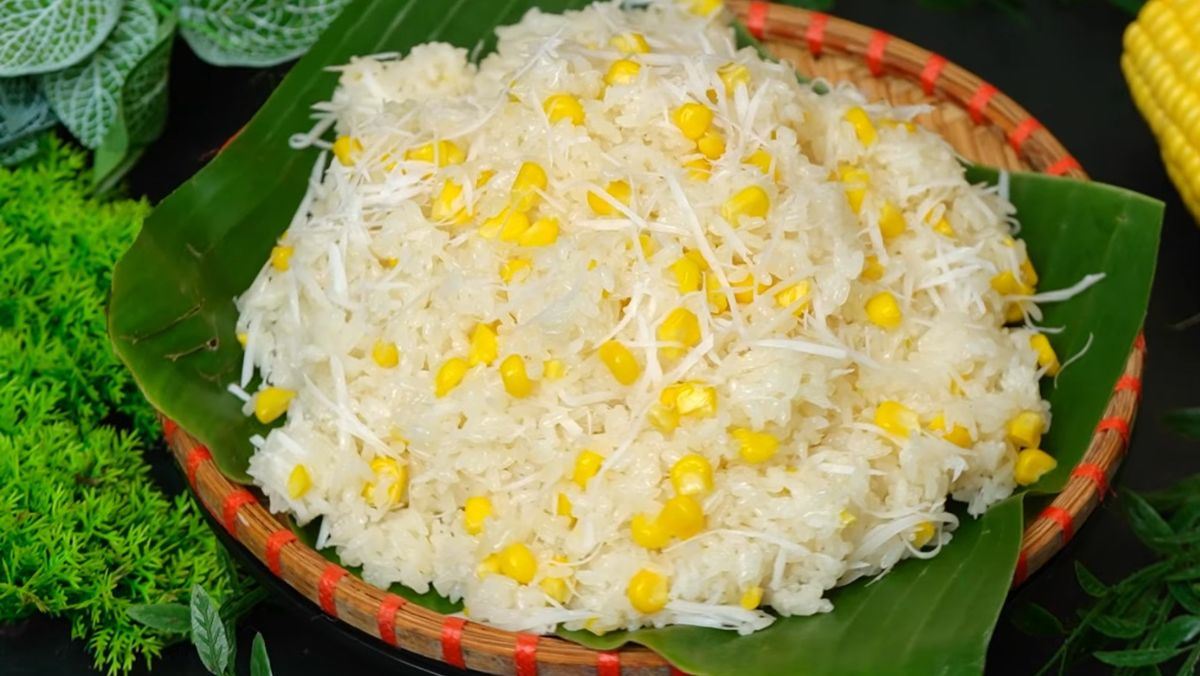 Xôi ngọt: sweet sticky rice with corn and grated coconut
Xôi is just one piece of the city's massive food scene. To build out your eating itinerary, read our local's honest guide to what to eat in Da Nang. You can also check out our bún chả cá fish-cake noodle soup guide for another classic breakfast, or try DIY pork rolls (bánh tráng cuốn thịt heo) for a hands-on lunch.
These sticky rice spots sit primarily in the central Hải Châu district. Since these are small street carts and modest shops, always double-check their hours and locations before you head out.
A roadside institution going back 30-odd years, best known for its xôi gà. It is a simple sidewalk stand, so look for the crowd rather than a storefront, and get there early before it sells out.
A tiny, busy local spot opposite Trần Phú High School, serving everyday savory portions wrapped in banana leaf with chà bông, hành phi, đậu xanh, chả, and thịt kho.
A chicken-focused spot. Go here if you specifically want xôi gà (shredded chicken with fried shallots).
A tidier shop with both savory and sweet portions, known for its banana-leaf packaging and rice cooked with a little cassava for extra softness. Choose this if you prefer sitting down over eating from a cart.
A shop running since 2008 (sometimes signed "Quán Thịnh – Xôi & Cháo"), serving loaded savory thập cẩm portions, often with a little chicken-bone broth on the side. Great for when you wake up very hungry.
Grabbing a box of xôi is the easiest way to join the local morning routine. Start with a warm portion of xôi gà, ask for "ít cay" to keep the spice down, and show up early before the neighborhood carts sell out. Eat it while it is hot, and when you are ready for your next meal, head over to our what-to-eat-in-Da-Nang guide to see what else the city has cooking.

One local roundup a month — new guides, festival dates and where to eat. No spam.