Finding truly organic food in Da Nang requires mixing a few local sources, from neighborhood markets to dedicated clean-food shops. Most stores here sell "clean" or VietGAP produce rather than internationally certified organic, so knowing what you are paying for matters. This guide shows you exactly where to shop, how to check the labels, and what you should expect to spend.
Last updated June 2026.
What "organic" actually means in Da Nang
In Vietnam, the word "organic" (hữu cơ) is used loosely. A shop sign that says organic does not always mean the food meets a strict, certified standard. Here are the terms you will see:
- Rau sạch (clean vegetables): The most common label. The grower promises they used fewer chemicals and followed safer practices. Quality is usually good, but no official body checks it.
- VietGAP: A Vietnamese government standard for good agricultural practice. It limits pesticides and is officially checked. It is not the same as organic because some controlled chemicals are still allowed.
- PGS Vietnam: A community-based organic standard. Local farmer groups and buyers inspect each other. Look for the PGS logo if you want real organic local produce.
- Certified organic (USDA Organic, EU green leaf): The strict international standards. You will mostly see these seals on imported packaged goods like dairy or baby food in bigger supermarkets, rarely on local greens.
Most local shops sell clean or VietGAP produce. That is a massive step up from unlabelled market food. Just avoid paying a certified organic price for a standard clean vegetable.
How to verify before you pay the premium
A premium only makes sense if you can see what you are getting. Here is a quick way to check.
Look for a seal:
- PGS Vietnam logo: Real organic, community-verified.
- VietGAP stamp: Safer growing, but not organic.
- USDA Organic / EU green leaf: International certified organic, mostly on imports.
Questions to ask the shop:
- "Which farm is this from?" A specific farm name is a great sign.
- "Do you have the certificate?" Serious shops keep paperwork or photos handy.
- "When was this harvested?" Fresher is better.
Red flags:
- A handwritten organic sticker with no farm name.
- Prices much higher than other clean shops with no proof.
- Staff who do not know where the food comes from.
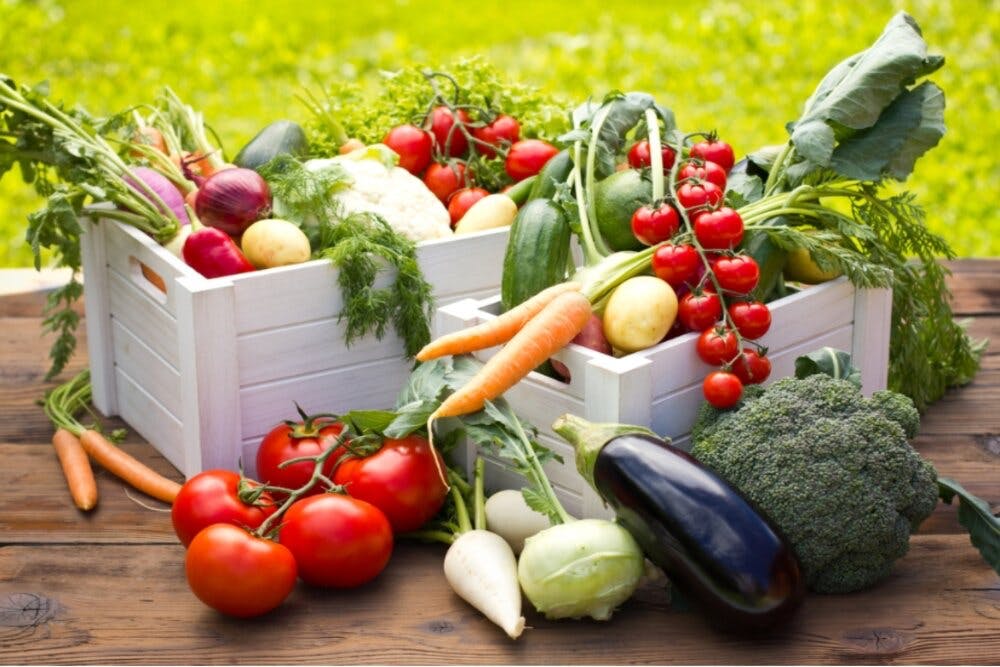 Crates of freshly harvested vegetables — tomatoes, carrots, broccoli, cauliflower and more — out in the open.
Dedicated clean-food stores
These shops are the easiest starting point if you want labelled produce and a clear source. For the full ranked list of the best stores, see our deep-dive on the top trusted organic food stores in Da Nang. Below are reliable options and what each is good for.
Best for expats: Several of the foreigner-friendly shops and delivery-focused stores sit on the east side of the river (An Hải / Sơn Trà), though good options like Organica and Ti Garden are over in Hải Châu too. Smaller neighborhood shops sell great local produce but often need a translation app or Zalo.
An Phu Farm
- Good for: Farm-to-table clean produce, plus meat, fish, and pantry goods supplied from their own farm in Hòa Vang.
- English spoken: Mostly Vietnamese — a translation app helps.
- Delivery: Available; call the branch to arrange it.
- Type: Clean / farm-to-table food store (several Da Nang branches)
- Price: Mid-range clean-food premium
- Hours: Check Google Maps before you visit.
- Address: 78B Nguyễn Chí Thanh, Hải Châu, Da Nang
Ti Garden
- Good for: Seasonal greens, fruit, and everyday produce for home cooking.
- English spoken: Mostly Vietnamese — a translation app helps.
- Delivery: Available via phone or Zalo order.
- Type: Clean-food / safe-produce shop
- Price: Mid-range
- Hours: Around 6am–9pm daily.
- Address: 224 Phan Đăng Lưu, Hải Châu, Da Nang
NongPro
- Good for: A wider clean grocery range — vegetables sourced to VietGAP/GlobalGAP standards, plus meat, fish, eggs, rice, and pantry goods.
- English spoken: Mostly Vietnamese — a translation app helps.
- Delivery: Available via phone or Zalo order.
- Type: Clean / safe-food grocery
- Price: Mid-to-upper range
- Hours: Check Google Maps before you visit.
- Address: 819 Ngô Quyền, Sơn Trà, Da Nang
Holand's Mart
- Good for: A "clean supermarket" with VietGAP/GlobalGAP produce, fresh meat and fish, and a broad everyday range — handy for the east-side beach area.
- English spoken: Mostly Vietnamese — a translation app helps.
- Delivery: Yes — free delivery within about 3km on orders over 100,000 VND.
- Type: Clean-food supermarket
- Price: Mid-to-upper range
- Hours: Check Google Maps before you visit.
- Address: 167 Nguyễn Văn Thoại, An Đông, Sơn Trà, Da Nang
Organica
- Good for: The strongest genuinely certified-organic option in town — Organica's own farms hold USDA and EU organic certification, so this is where to go if you want real certified produce, not just "clean."
- English spoken: Mostly Vietnamese — a translation app helps.
- Delivery: Available; call the branch to arrange it.
- Type: Certified-organic specialist (two Hải Châu branches)
- Price: Upper range
- Hours: Check Google Maps before you visit.
- Address: 63 Nguyễn Du, Hải Châu, Da Nang
Supermarket clean sections and imported organics
If you want convenience, supermarkets offer reliable labels.
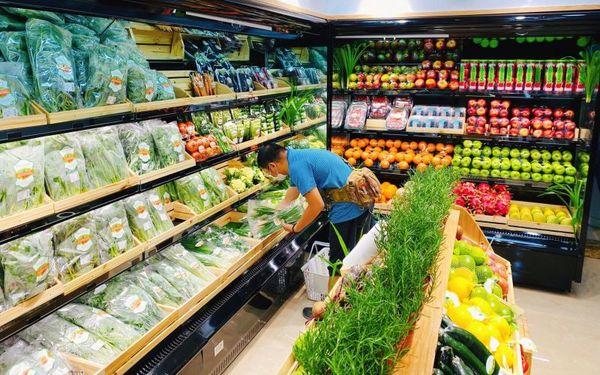
- WinMart / WinMart+: These stock everyday clean produce, including VinEco and VietGAP-labelled vegetables. The big WinMart sits in Vincom Plaza on Ngô Quyền (east side), and WinMart+ mini-stores are dotted citywide, making them an easy stop for safe greens.
- Lotte Mart and GO! (Big C): Head here for larger international aisles. They carry imported Western pantry goods, dairy, and baby-food brands — handy when you want a specific brand from home, though you should read each label rather than assume the whole aisle is certified organic.
- MM Mega Market: This warehouse-style store has the widest imported range, so it is a strong option if you are stocking up on harder-to-find Western items.
Supermarkets are convenient. However, imported goods cost noticeably more than local clean produce and lack the freshness of market vegetables. (Note: upscale imported-grocery chains like Annam Gourmet only operate in Hồ Chí Minh City and Hanoi — there is no Da Nang branch.)
Traditional markets for fresh local produce
A local market often provides fresher, lower-spray seasonal vegetables than a labelled shop. They just lack the official sticker.
At a neighborhood chợ (market) like Hàn Market (119 Trần Phú, Hải Châu), Cồn Market (corner of Quang Trung and Ông Ích Khiêm, Hải Châu), or the small market on your street, much of the produce arrives fresh that morning. It is uncertified, but in-season local veg is usually fresher and far cheaper than packaged clean produce.
How to shop a Da Nang market:
- Go early: The best produce disappears by mid-morning. Arrive before 8am.
- Buy what is in season: Seasonal vegetables grow easily, meaning they are cheaper, fresher, and usually less sprayed.
- Watch the locals: Buy from the stall where the local aunties are shopping.
- Basic etiquette: Smile, bargain gently, and bring small VND notes.
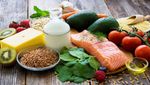
 A spread of fresh vegetables, fruit, meat and fish laid out on a wooden table.
Organic delivery and online ordering
Many clean-food shops and small farms deliver. This is how a lot of long-stay residents buy their produce.
- Doorstep delivery: Most clean-food shops deliver — Holand's Mart, for example, delivers free within about 3km on orders over 100,000 VND. Ask your shop about its own radius and minimum order.
- Zalo ordering: Most shops take orders through Zalo (Vietnam's main messaging app) or Facebook. You message them, they confirm, and they deliver.
How to order without speaking Vietnamese:
- Add the shop on Zalo using their phone number or in-store QR code.
- Type your order in English and use a translation app, or send a photo of what you want.
- Send your address as a Google Maps pin to avoid confusion.
- Confirm the price and delivery fee before they send it.
This photo-and-pin method works perfectly and keeps your fridge stocked without any language barriers.
Where these shops cluster
Da Nang's clean-food shopping splits into two main zones:
- An Hải and Sơn Trà (east of the river): The main expat area near the beach. Many of the foreigner-friendly and delivery-focused shops cluster here — Holand's Mart, NongPro, and the big WinMart at Vincom Plaza are all on this side.
- Hải Châu (city center, west of the river): The older downtown houses the big traditional markets (Hàn, Cồn) and plenty of local shops, so it is great for cheap, fresh local produce. It is not expat-only by any means — Organica's two branches and Ti Garden are over here too.
A practical routine is to buy fresh local veg from a market near home, and use an east-side organic store or delivery service for specific clean items. The same wild-caught-and-fresh logic that locals trust over farmed produce also drives how they buy seafood — see where to buy fresh seafood in Da Nang for the best wet markets and how to tell the catch is fresh.
Price expectations
Prices change often. Treat these as rough estimates and always check the day's price.
- Regular market vegetables: The cheapest option. A daily portion of local greens often costs just a few thousand VND.
- Clean / VietGAP produce: Expect roughly 1.5 to 2x the regular market price for the labelling and handling.
- Certified organic (local, e.g. PGS): Often 2 to 3x the price of regular market produce, and sometimes more.
- Imported certified organic (USDA/EU): The most expensive. These can cost several times the price of a local equivalent because of shipping.
One thing worth knowing: a VietGAP bunch in a glossy supermarket can cost as much as genuine farm organic, because the price reflects branding and retail rent as much as the growing method. As a rough USD anchor, a week of clean produce for one or two people typically lands in the low tens of US dollars, and shopping at the local market cuts that cost significantly.
 A basket of fresh vegetables and fruit, much like a weekly produce delivery.
Practical tips
- Buy seasonal: In-season local veg is fresher, cheaper, and usually less sprayed.
- Bring your own bags: Markets and small shops rarely provide good bags.
- Store leafy greens right: Wash, dry, and keep them in the fridge in a container or cloth. Da Nang's heat wilts greens fast.
- Combine your runs: Get fresh local veg at the market, then grab clean specifics at a store.
- Set up Zalo restocks: Save the Zalo contact of a shop you trust so re-ordering takes two minutes.
- Pair clean food with clean water: Tap water here is not safe to drink straight. Read should you drink tap water in Vietnam for advice on washing and drinking water.
For more on daily costs, our cost of living in Da Nang guide puts food spending in context. If you want quality food shops more broadly, check our top specialty stores in Da Nang. Staying near the beach? Our neighborhood-level organic and healthy food stores near My Khe Beach guide covers every walkable shop in the An Thượng grid.
FAQ
Is organic food in Vietnam really organic?
Often not in the strict, certified sense. Most local "organic" produce is actually "clean" (rau sạch) or VietGAP. This means safer growing practices, but no international certification. Genuinely certified organic does exist (PGS Vietnam locally, USDA/EU on imports). Look for an actual seal and a farm name before paying an organic premium.
Is organic food expensive in Da Nang?
Clean and organic food costs more than regular market produce. Expect to pay roughly 1.5 to 3x more for local clean or organic items, and even more for imported certified goods. Keep your bill down by buying seasonal local veg at a market and saving the pricier shops for specific items.
Where can expats buy organic vegetables with delivery?
The clean-food shops and delivery services in the An Hải and Sơn Trà areas east of the river are a convenient bet, and Organica's certified-organic branches in Hải Châu are worth the trip if you want strict standards. Most shops also take orders over Zalo, so you can order in English with a translation app and a Google Maps pin even where little English is spoken in person.
Is supermarket produce (WinMart / VinEco) safe and clean?
Yes. WinMart's clean sections carry VietGAP and VinEco-labelled produce. The labelling is reliable, making it a convenient and trustworthy everyday choice. It is not certified organic, but it is clearly labelled and consistent.
Can I wash vegetables in tap water?
Washing produce in tap water is generally fine. Do not drink the tap water straight, and thoroughly rinse anything you plan to eat raw. You can use filtered or boiled water for a final rinse. See should you drink tap water in Vietnam for the full rundown.
The bottom line
There is no single best place to buy organic food in Da Nang. The smart move is a mix. Use a market for fresh seasonal veg, a clean-food shop or supermarket for labelled produce, and Zalo delivery to keep restocking easy. Check for a real seal and a farm name before you pay an organic premium. Shop this way and you will eat well, safely, and without overpaying.